



Scalp psoriasis vs. dandruff: is there a difference? While both cause itching, flaking, and scalp irritation, these two conditions are not the same, and treating them as if they are can make symptoms worse.
Scalp psoriasis is an autoimmune disorder that produces thick, silvery scales, while dandruff results from excess oil and a yeast imbalance.
The key differences lie in the appearance of the flakes, the severity of symptoms, and what triggers each condition.
Understanding what sets these scalp conditions apart is the first step toward lasting relief, a healthier scalp, and improved hair growth.
Scalp Psoriasis vs. Dandruff: Two Different Conditions
Although scalp psoriasis and dandruff both cause itching and flaking, they are two distinct conditions with different causes and underlying mechanisms. Understanding these differences is essential for selecting the right treatment, as what helps one condition may worsen the other.
Let’s take a closer look at each condition, from root causes to how they affect the scalp and beyond.
Scalp Psoriasis
Scalp psoriasis is a chronic autoimmune condition in which the immune system speeds up skin cell turnover, leading to the buildup of thick, scaly patches.
Scalp psoriasis affects roughly 45–56% of people with psoriasis and may extend beyond the scalp to the forehead, ears, or neck. The condition often develops due to genetic factors, immune dysfunction, or triggers such as stress, cold weather, and infections.
Scalp psoriasis can appear at any age and may fluctuate between flare-ups and remission periods throughout life.
Dandruff
Dandruff, also called seborrheic dermatitis when more severe, is a common scalp disorder caused by excess oil production and overgrowth of Malassezia yeast. This combination irritates the scalp, leading to shedding of skin flakes.
Dandruff affects nearly half of all adults and tends to worsen during dry, cold months. Hormonal changes, stress, and infrequent shampooing can cause flare-ups as well.
Unlike psoriasis, dandruff is not an autoimmune disease; it’s a chronic but manageable condition that responds well to medicated shampoos and consistent scalp care.
Scalp Psoriasis vs. Dandruff: Triggers and Risk Factors
Understanding what triggers flare-ups or worsening symptoms is essential for managing both scalp psoriasis and dandruff effectively.
While scalp psoriasis and dandruff differ in cause, certain environmental, lifestyle, and biological factors can exacerbate symptoms. Identifying personal triggers allows you to take proactive steps to minimize irritation, prevent recurrence, and maintain a healthier scalp over time.
Scalp Psoriasis
Scalp psoriasis is primarily driven by immune system dysfunction, but several factors can trigger or worsen flare-ups. Stress, infections, cold or dry weather, and certain medications such as beta-blockers or lithium are common culprits.
Trauma to the scalp, such as scratching, tight hairstyles, or harsh chemical treatments, can also induce lesions, a phenomenon known as the Koebner response. Genetics has a significant impact, as family history increases susceptibility.
Hormonal changes and overall health conditions, including obesity or metabolic syndrome, may also influence disease severity. Recognizing and managing these triggers can help reduce flare frequency.
Dandruff
Dandruff primarily results from an overgrowth of Malassezia yeast and excess scalp oil, but several factors can worsen flaking. Stress, hormonal fluctuations, infrequent washing, and the use of heavy styling products can create an environment that encourages yeast proliferation. Cold, dry weather often exacerbates symptoms, while heat and humidity can affect oil production. Certain neurological conditions, such as Parkinson’s disease, and immune system changes, may increase susceptibility.
By identifying and minimizing these triggers through consistent cleansing, stress management, and avoiding scalp-irritating products, individuals can better control dandruff and reduce recurrence.
Scalp Psoriasis vs. Dandruff: Key Differences in Appearance
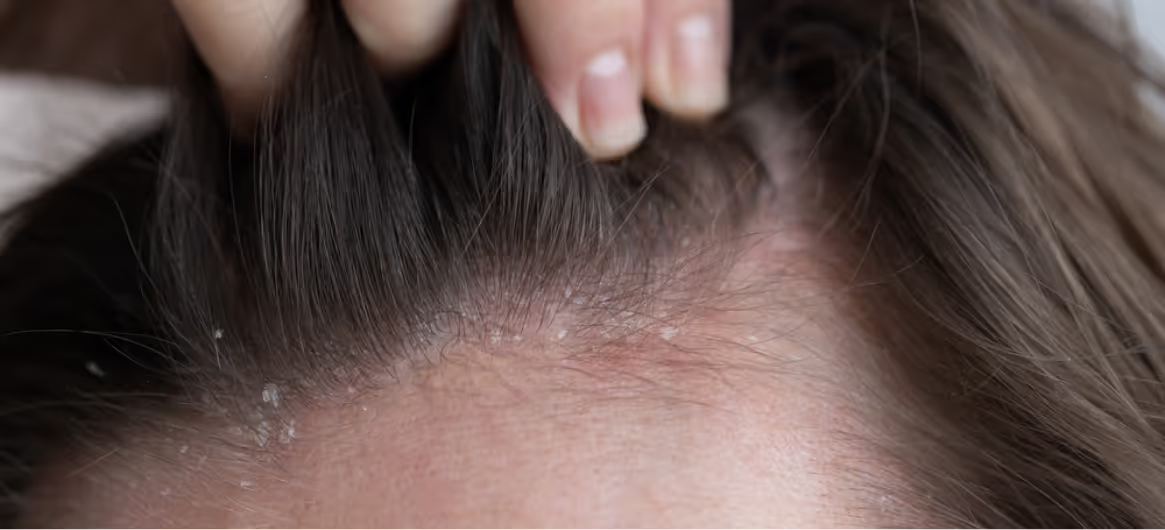
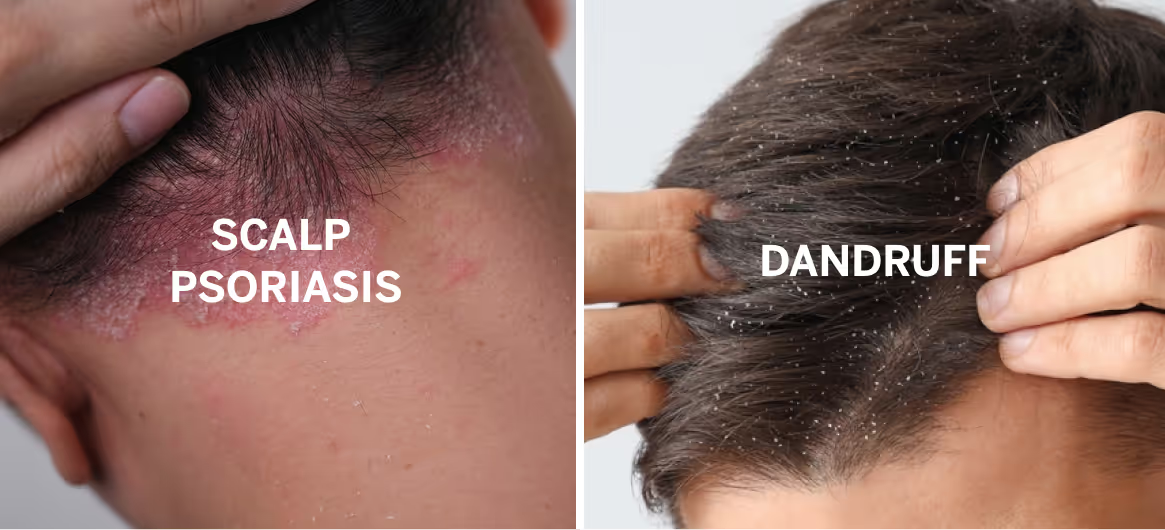
While both conditions cause flakes, their appearance on the scalp tells two very different stories. Psoriasis tends to produce thick, silvery scales and defined patches, whereas dandruff creates lighter, more diffuse flaking.
Recognizing these visual differences can help you and your dermatologist determine the correct diagnosis and guide effective treatment.
Scalp Psoriasis
Scalp psoriasis produces raised, dry plaques covered with thick, silvery-white scales that adhere tightly to the scalp. The underlying skin often appears red and inflamed, sometimes with small cracks that may sting or bleed when scratched.
Psoriatic patches typically form along the hairline, behind the ears, or on the back of the neck and can merge into larger areas over time.
Unlike dandruff, the flakes are compact and difficult to remove without irritation. The scales may also extend beyond the scalp’s borders, which presents a key visual clue of psoriasis.
Dandruff
Dandruff flakes are much finer, looser, and easier to dislodge than psoriatic scales. They appear as small white or yellowish particles that often fall from the scalp onto the hair and shoulders.
The scalp may look mildly red or greasy, but it typically lacks the thick buildup or distinct patches seen with psoriasis. Flaking tends to worsen after several days without washing or during periods of stress.
Because dandruff affects the scalp’s surface layer, symptoms often improve quickly with medicated shampoos containing zinc, selenium, or ketoconazole.
Treatment Options That Work
Managing scalp psoriasis and dandruff effectively requires understanding their underlying causes and tailoring treatment accordingly. While both may benefit from medicated shampoos, psoriasis often demands more intensive, prescription-based care.
The right approach can reduce flaking, soothe irritation, and restore scalp health, but consistency and professional guidance are often required for lasting results.
Scalp Psoriasis Treatments
Treating scalp psoriasis typically involves topical corticosteroids to reduce inflammation and slow rapid skin cell turnover.
Vitamin D analogs such as calcipotriene, tar-based shampoos, and medicated solutions containing salicylic acid or clobetasol can help loosen scales and calm redness.
For moderate to severe cases, dermatologists may prescribe biologic injections (such as adalimumab or secukinumab) or oral medications that modulate the immune response.
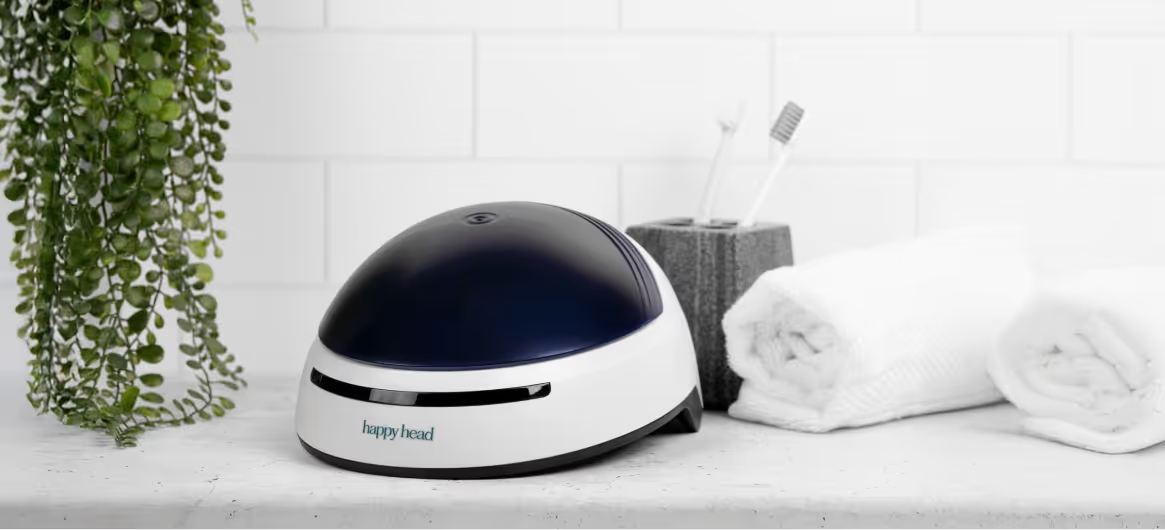
Phototherapy with targeted UVB light is another proven option for resistant cases. Regular use of gentle, fragrance-free shampoos helps maintain results between flares.
Dandruff Solutions
Dandruff often responds well to over-the-counter shampoos containing zinc pyrithione, selenium sulfide, or ketoconazole, which control Malassezia yeast and reduce oil buildup. Salicylic acid or coal tar shampoos can also help lift flakes and smooth the scalp.
If OTC options fail, dermatologists may prescribe stronger antifungal agents or mild topical corticosteroids to calm persistent inflammation.
Consistent scalp hygiene, including washing several times per week and rotating active ingredients, can prevent recurrence. Moisturizing scalp treatments or lightweight oils can further relieve dryness without adding excess residue.
Home Care Strategies
Daily scalp care can make a meaningful difference in controlling both psoriasis and dandruff symptoms. The right home routine supports medical treatments, reduces flare-ups, and helps restore the scalp’s natural balance.
With consistent care, gentle cleansing, and the right choice of products, you can keep your scalp healthier and more comfortable between dermatologist visits.
Scalp Psoriasis
At home, managing scalp psoriasis starts with gentle cleansing using fragrance-free, medicated shampoos designed for sensitive skin.
Soften and loosen thick scales before washing by applying mineral oil, coconut oil, or salicylic acid gel for 30 minutes, and then rinse with lukewarm water. Avoid scratching or forcefully removing scales, which can worsen irritation and trigger bleeding.
Stress management, adequate sleep, and sun protection also help reduce flare frequency. Using a humidifier during dry months and maintaining a balanced diet rich in omega-3 fatty acids can further support scalp health.
Consistency rather than intensity is the key to long-term relief.
Dandruff
For dandruff, an effective home routine focuses on regulating oil and yeast levels on the scalp.
Wash hair regularly with an anti-dandruff shampoo containing zinc pyrithione, selenium sulfide, or ketoconazole, leaving it on for several minutes before rinsing. Alternate with a gentle, sulfate-free shampoo to avoid dryness.
Rinse thoroughly after each wash to prevent residue buildup. Incorporating tea tree oil or apple cider vinegar rinses may provide mild antifungal benefits, though these should complement—not replace—medical treatments.
Keep styling products to a minimum, and clean combs and brushes weekly to reduce yeast transfer. A balanced diet and stress control can also help keep flakes under control long-term.
When Professional Help Is Needed
It’s time to see a dermatologist if scalp symptoms persist despite consistent use of medicated shampoos or worsen over time. Signs that warrant evaluation include painful cracking, bleeding, thick scaling that resists treatment, or patches spreading beyond the scalp.
Persistent itching that disrupts sleep or daily life can also signal an underlying inflammatory condition such as psoriasis or seborrheic dermatitis. Any signs of infection, such as warmth, pus, or fever, require immediate care.
A dermatologist can confirm the diagnosis through visual examination or skin biopsy, rule out fungal infections, and prescribe stronger therapies such as topical corticosteroids, biologics, or light therapy tailored to your scalp’s specific needs.
Scalp Psoriasis vs. Dandruff: The Bottom Line
When comparing scalp psoriasis vs. dandruff, it’s clear that these are two very different conditions with distinct causes, appearances, and treatment needs.
Psoriasis produces thick, silvery plaques driven by immune system overactivity, while dandruff causes loose, oily flakes linked to yeast imbalance.
Recognizing these differences helps guide the right care and avoid ineffective remedies. If over-the-counter treatments fall short, a dermatologist can design a targeted plan to calm irritation, restore scalp health, and prevent future flare-ups.
Talk to a board-certified dermatologist to discuss your goals and find the solution that is best for you.
Frequently Asked Questions
Do I have scalp psoriasis or dandruff?
Scalp psoriasis and dandruff can look similar, but there are key differences. Psoriasis causes thick, silvery scales, redness, and itching that may extend beyond the hairline. Dandruff, often caused by excess oil or yeast overgrowth, appears as loose white or yellow flakes without thick plaques. A dermatologist can confirm the diagnosis and recommend proper treatment.
What's the main difference between scalp psoriasis and dandruff?
The primary difference lies in their nature and appearance. Scalp psoriasis produces thick, silvery-white scales with red, inflamed patches that may extend beyond the hairline. Dandruff causes smaller, white or yellowish flakes without significant inflammation and is often related to oily scalp conditions or fungal overgrowth.
Can dandruff turn into psoriasis?
No, dandruff cannot turn into psoriasis. These are two distinct conditions with different underlying causes. Dandruff is typically caused by dry skin or a yeast-like fungus, while psoriasis is a chronic autoimmune condition where the immune system causes skin cells to multiply too quickly.
What does psoriasis look like on the scalp?
Scalp psoriasis appears as raised, inflamed patches covered with thick, silvery-white scales. The skin underneath is often red and may crack or bleed if scratched. These plaques can extend beyond the hairline to the forehead, neck, or behind the ears. Unlike dandruff, the flakes are tightly attached to the scalp, and itching or burning sensations are common.
Do scalp psoriasis and dandruff require different treatments?
Yes, they require different treatment approaches. Dandruff typically responds well to over-the-counter anti-dandruff shampoos containing ingredients such as zinc pyrithione or ketoconazole. Scalp psoriasis often requires prescription medications such as topical corticosteroids or vitamin D analogues.