


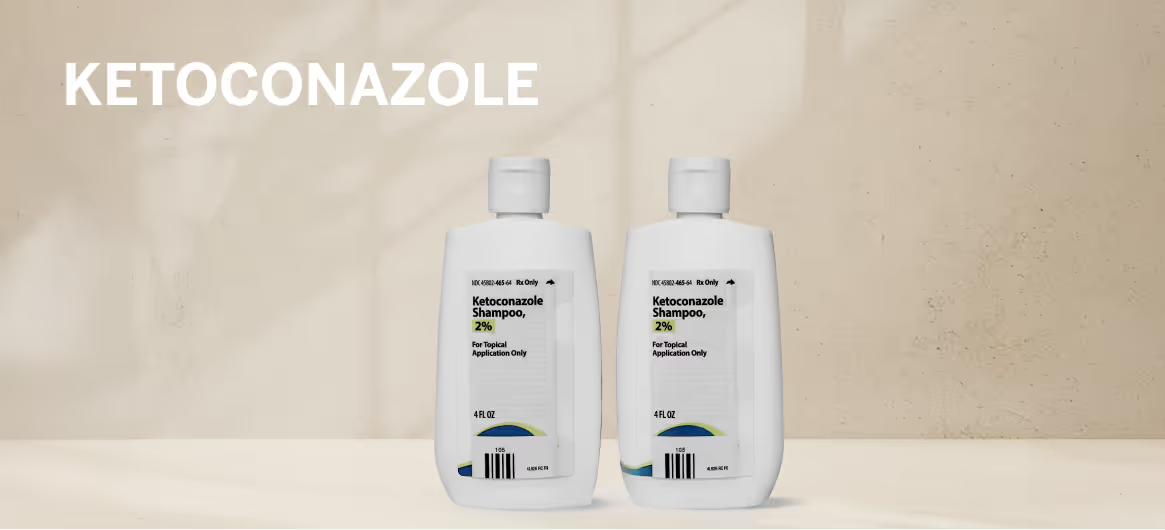

Ketoconazole shampoo is more than a simple dandruff remedy; it’s a highly recommended treatment designed to restore scalp health at the source.
By targeting the fungal and inflammatory causes behind flaking, itching, and irritation, it can dramatically improve scalp comfort and support stronger, healthier hair, especially when used alongside proven hair restoration products.
Understanding how it works, when to use it, and what to expect ensures you get the full benefit of this effective, science-backed treatment.
What Is Ketoconazole Shampoo?
Ketoconazole shampoo is a medicated antifungal cleanser designed to treat scalp conditions caused by an overgrowth of yeast or fungi. It works by reducing inflammation, scaling, and itching while restoring scalp balance.
Dermatologists often recommend ketoconazole for conditions such as dandruff, seborrheic dermatitis, and fungal infections.
Available in both prescription (2%) and over-the-counter (1%) strengths, ketoconazole shampoo helps improve scalp health and can indirectly support healthier hair growth.
Types of Ketoconazole Shampoo
Ketoconazole shampoo is available in two main strengths: 1% and 2%. The 1% formulation is sold over the counter and is effective for mild dandruff or itchiness. The stronger 2% version requires a prescription and treats more severe or persistent scalp issues.
Some products combine ketoconazole with other ingredients, such as zinc pyrithione or salicylic acid, to enhance results by targeting oil buildup, flakes, and inflammation simultaneously.
How Ketoconazole Shampoo Works
Ketoconazole targets fungal organisms, particularly Malassezia, that contribute to dandruff and scalp irritation. Disrupting the cell membranes of these fungi stops their growth and helps reduce inflammation and itching.
This antifungal action not only calms irritation but also decreases excess oil and flaking. Over time, restoring a balanced scalp environment may improve hair density and reduce shedding linked to scalp inflammation or seborrheic dermatitis.
What Is Ketoconazole Shampoo Used For?
Ketoconazole shampoo is used to treat a range of scalp and skin conditions caused or worsened by fungal overgrowth and inflammation.
Dermatologists often recommend it to manage dandruff, seborrheic dermatitis, and certain infections, as well as to help support scalp health when managing some forms of hair loss.
Dandruff
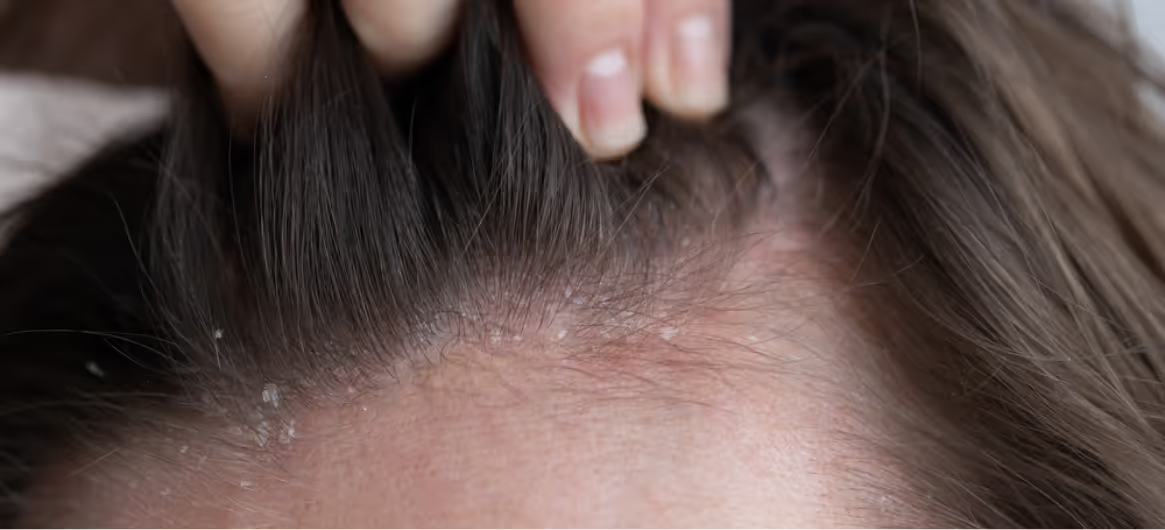
Ketoconazole shampoo helps control dandruff by reducing Malassezia yeast on the scalp, a key contributor to flaking, itching, and irritation.
It works by restoring microbial balance and reducing inflammation, which helps prevent future flare-ups. Regular use can make the scalp feel cleaner and less oily while minimizing visible flakes and discomfort.
Fungal and Yeast Infections
This shampoo treats fungal and yeast infections by disrupting the cell membranes of organisms such as Malassezia and Candida. These infections often cause itching, redness, and scaling on the scalp or skin.
Ketoconazole effectively clears the infection, relieves irritation, and helps restore the skin’s natural barrier and improve scalp health when used as directed by a dermatologist.
Seborrheic Dermatitis
Seborrheic dermatitis causes greasy scales, redness, and chronic itching, particularly around the scalp, eyebrows, and sides of the nose.
Ketoconazole shampoo helps reduce inflammation and fungal overgrowth that trigger flare-ups. Consistent use can calm the skin, decrease flaking, and maintain long-term symptom control when integrated into a dermatologist-guided treatment plan.
Psoriasis
Although it is not a primary psoriasis treatment, ketoconazole shampoo can help manage secondary fungal overgrowth and reduce itching on psoriatic scalps.
Its antifungal and anti-inflammatory properties complement prescription psoriasis therapies by minimizing irritation, flaking, and discomfort. Dermatologists may recommend alternating it with other medicated shampoos to improve scalp health and symptom relief.
Tinea Infections
Ketoconazole shampoo can treat superficial fungal infections such as tinea versicolor or tinea capitis, which cause discolored patches or scaling.
Inhibiting fungal cell growth helps eliminate infection and restore normal skin tone and texture. For tinea capitis, dermatologists often pair the shampoo with oral antifungals to fully clear the infection.
Specific Types of Hair Loss
In certain cases, ketoconazole shampoo may help support hair growth by reducing scalp inflammation and DHT buildup linked to androgenetic alopecia.
Its antifungal action helps maintain a cleaner, less irritated scalp environment, which may minimize shedding. Dermatologists often use it alongside proven hair loss treatments such as minoxidil and finasteride.
Is Ketoconazole a Good Shampoo for Dry Scalp?
Ketoconazole shampoo can sometimes dry out the scalp, especially when used frequently or at higher strengths. However, when applied as directed, it can improve flaking and irritation related to dryness caused by fungal imbalance.
Dermatologists often recommend using a gentle, fragrance-free conditioner afterward to maintain scalp hydration and comfort.
Ketoconazole Shampoo: Risks and Side Effects To Be Aware Of
While ketoconazole shampoo is generally safe and well-tolerated, some people may experience side effects such as dryness, itching, or irritation, especially with frequent use or sensitive skin.
In rare cases, it may cause temporary hair texture changes or discoloration.
Allergic reactions are uncommon but possible. It’s important to follow your dermatologist’s instructions and discontinue use if you notice persistent redness, burning, or worsening symptoms after application.
Symptoms of Allergic Reaction To Watch For
Allergic reactions to ketoconazole shampoo are rare but can occur. Warning signs include severe itching, burning, swelling, rash, hives, or difficulty breathing. Some people may also notice blistering or peeling skin.
If these symptoms appear, stop using the shampoo immediately and contact a healthcare provider. Dermatologists can help confirm if the reaction is due to an allergy and recommend safer alternatives.
Who Should Avoid Ketoconazole Shampoo
People with known allergies to ketoconazole or other antifungal medications should avoid this shampoo. It’s also unsuitable for individuals with open wounds, broken skin, or severe scalp irritation.
Pregnant or breastfeeding women should consult their dermatologist before use, as research on long-term safety in these groups is limited. Always disclose all medications to avoid potential interactions.
Does Ketoconazole Cause Hair Loss?
Ketoconazole shampoo does not typically cause hair loss, but excessive or improper use may temporarily increase shedding if the scalp becomes overly dry or irritated. In most cases, this effect is mild and reversible.
When used correctly, ketoconazole may actually help reduce hair loss linked to inflammation or excess DHT, especially when used under dermatologic supervision.
How To Use Ketoconazole Shampoo
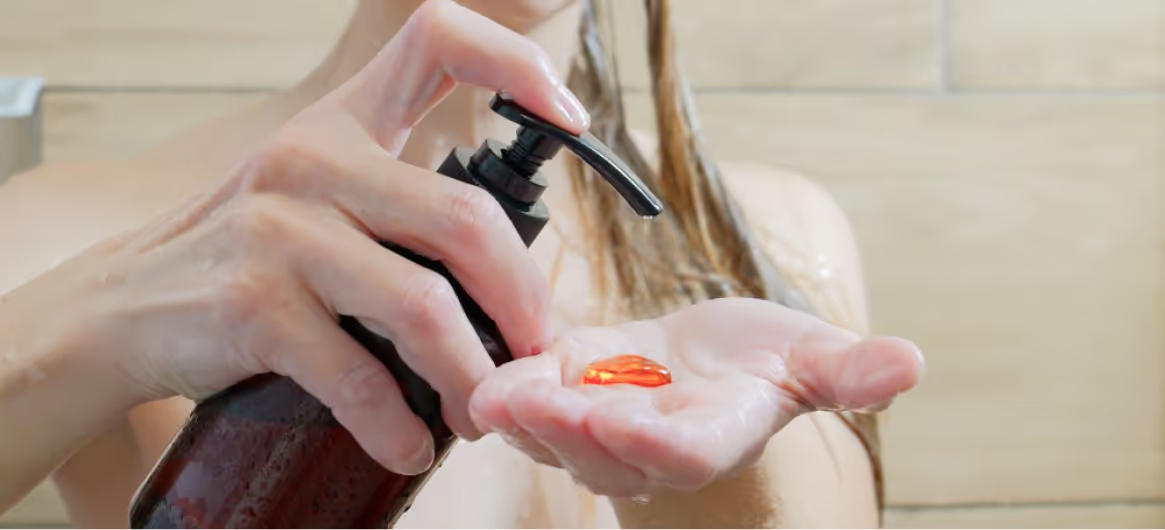
To use ketoconazole shampoo effectively, apply a small amount to wet hair and gently massage it into the scalp, creating a rich lather. Allow it to sit for 3–5 minutes to let the medication absorb before rinsing thoroughly.

Most dermatologists recommend using it two to three times per week, alternating with a gentle, sulfate-free shampoo on non-treatment days. Avoid contact with the eyes or mucous membranes, and always follow your dermatologist’s specific usage instructions for best results.
Tips for Managing Hair Changes When Using Ketoconazole Shampoo
Some people notice temporary hair dryness, texture changes, or mild shedding when starting ketoconazole shampoo. These effects are usually manageable with the right scalp care routine. Try these dermatologist-recommended tips:
- Use a fragrance-free, hydrating conditioner after each wash.
- Avoid overwashing—limit use to two or three times weekly.
- Choose gentle, sulfate-free shampoos on alternate days.
- Apply a lightweight scalp oil or leave-in treatment for moisture balance.
- Avoid harsh styling products or heat tools.
- Speak with your dermatologist if dryness, irritation, or hair shedding persists.
When To Consider Another Type of Medicated Dandruff Shampoo
If symptoms such as flaking, itching, or redness persist after several weeks of using ketoconazole shampoo, it may be time to try another medicated option.
Dermatologists may recommend shampoos containing ingredients such as selenium sulfide, zinc pyrithione, coal tar, or salicylic acid. Switching formulas can better target specific causes of dandruff or reduce irritation for sensitive scalps.
Achieving a Healthier Scalp With Ketoconazole Shampoo
Healthy hair begins with a balanced scalp environment. Ketoconazole helps restore that balance by addressing the root causes of dandruff, irritation, and inflammation that can interfere with hair growth.
Combined with consistent scalp care and dermatologist supervision, ketoconazole shampoo can improve comfort, confidence, and overall scalp resilience, making it a powerful tool for achieving lasting results.
Talk to a board-certified dermatologist to discuss your goals and find the solution that is best for you.
Frequently Asked Questions
What is ketoconazole shampoo good for?
Ketoconazole shampoo is an antifungal treatment used to reduce dandruff, relieve itching, and calm inflammation from scalp conditions such as seborrheic dermatitis. It also helps control excess oil and may support healthier hair growth when used consistently.
Can you get ketoconazole shampoo in OTC?
Yes. Over-the-counter ketoconazole shampoo is typically available in a 1% strength for mild dandruff or itching. For more stubborn scalp conditions, a dermatologist can prescribe the 2% formulation for stronger antifungal and anti-inflammatory benefits.
Can ketoconazole shampoo help with hair loss?
Ketoconazole shampoo may help reduce certain types of hair loss linked to scalp inflammation or excess oil. It can lower DHT (a hormone tied to androgenetic alopecia) buildup on the scalp, making it a useful supportive treatment alongside dermatologist-prescribed therapies.
Can I use 2% ketoconazole shampoo daily?
Daily use of 2% ketoconazole shampoo is not usually recommended. Most dermatologists suggest applying it two to three times weekly to control symptoms without over-drying the scalp. Your dermatologist can personalize a routine based on your scalp’s needs and treatment goals.