


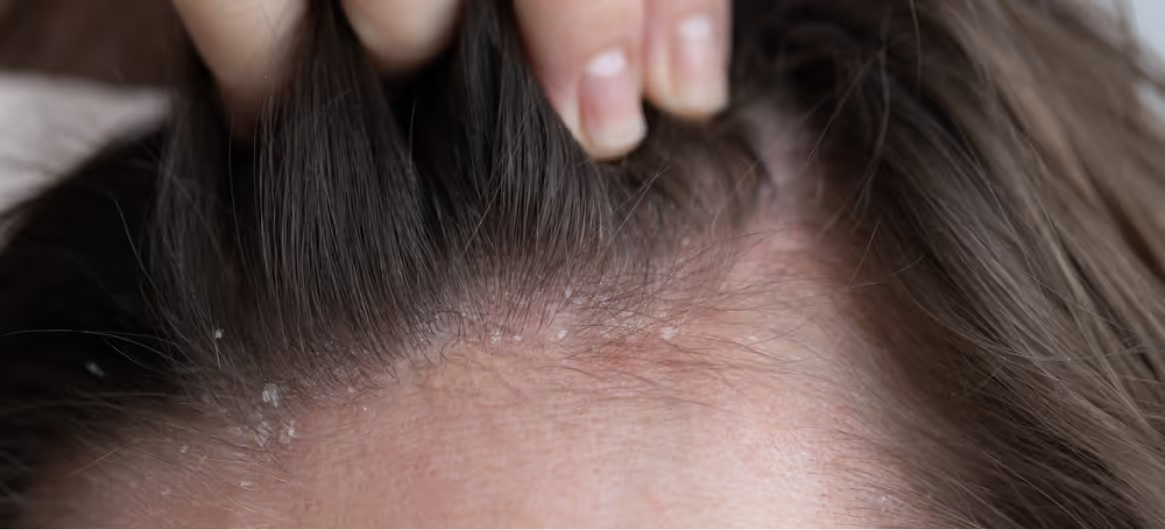

Minoxidil dandruff is a common yet frustrating side effect for those using topical treatments to stimulate hair growth. While minoxidil dandruff isn't technically true dandruff, the white flakes and itchy scalp can feel just as frustrating.
This common side effect happens when the alcohol and propylene glycol in minoxidil formulations dry out the scalp, causing dead skin cells to shed more rapidly.
The scalp's reaction often depends on skin sensitivity, the specific minoxidil formula used, and how frequency of treatment application.
The flaking and dryness can make it difficult to stay consistent with application, leading some to question whether they should stop treatment altogether.
Understanding what causes minoxidil dandruff and how to manage it effectively can help you maintain scalp health, improve comfort, and continue seeing results from your hair restoration treatment.
What Is Minoxidil Dandruff?
Minoxidil dandruff refers to scalp flaking or scaling that develops after using topical minoxidil.
It often appears as fine, white flakes on the scalp, hair shafts, or shoulders, sometimes accompanied by mild itching or tightness. The flakes may resemble dry-skin shedding or oily dandruff, depending on scalp type.
The flakes you see are actually dead skin cells shedding faster than normal. Your scalp produces new skin cells constantly, but minoxidil speeds up this process.
This reaction is fairly common among long-term users of liquid minoxidil, especially those with sensitive or already dry skin.
While it’s usually mild and manageable, untreated flaking can worsen irritation or interfere with medication absorption, making proper scalp care essential for continued treatment success.
Why Minoxidil Can Cause Scalp Flaking
Scalp flaking from minoxidil typically results from irritation or dryness caused by its inactive ingredients rather than the medication itself.
Most liquid formulations contain alcohol and propylene glycol to enhance absorption, but these compounds can strip natural oils and disrupt the scalp’s protective barrier. As moisture levels drop, dead skin cells accumulate and shed as visible flakes.
In some people, this dryness triggers a mild inflammatory response that worsens itching and scaling. Additionally, frequent application to a sensitive or unclean scalp can increase buildup, further aggravating the condition.
Individuals with underlying scalp issues, such as seborrheic dermatitis or eczema, are generally more prone to experiencing flaking when using topical minoxidil.
Effective Treatment Strategies
Managing minoxidil dandruff requires balancing scalp hydration with consistent use of the medication. The goal is to soothe irritation, reduce buildup, and prevent dryness without disrupting treatment effectiveness.
Simple adjustments to your hair care routine and product choices can significantly improve comfort and scalp health.
Choosing the Right Shampoo
A gentle, medicated shampoo can help control flaking while maintaining scalp balance. Alternate an anti-dandruff formula, such as one containing ketoconazole, zinc pyrithione, or selenium sulfide, with a mild, sulfate-free cleanser to avoid over-drying.
Cleansing regularly removes residual minoxidil and sebum that may contribute to buildup. Avoid shampoos with strong fragrances or alcohols, which can worsen irritation.
Consistent use helps keep the scalp clear, allowing the medication to absorb more evenly and reducing visible flakes over time.
Increase Scalp Hydration
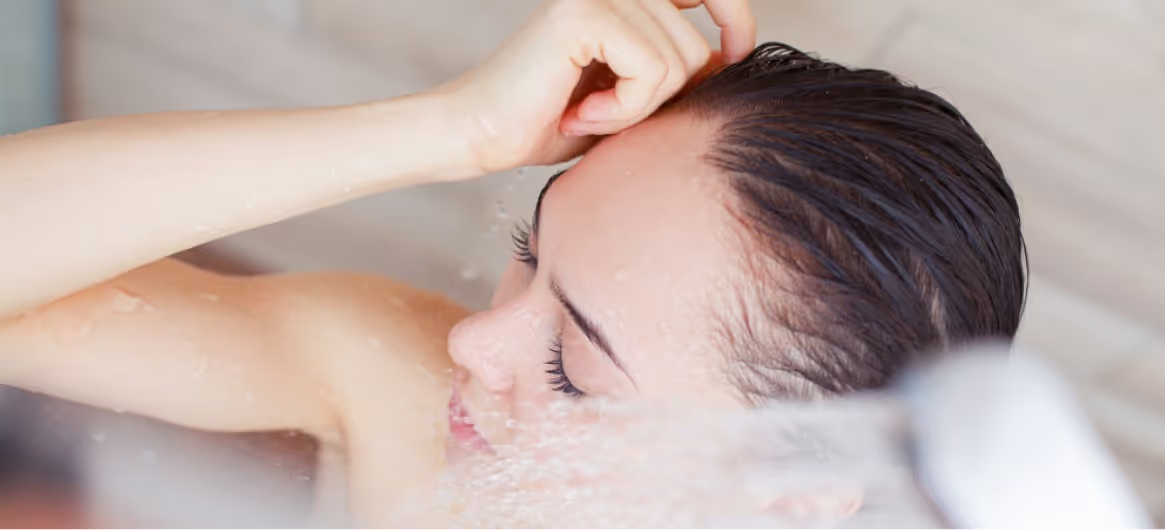
A well-hydrated scalp is less prone to irritation and flaking. Use lukewarm (not hot!) water when washing your hair to avoid stripping oils. Apply a lightweight conditioner or leave-in moisturizer to restore softness and barrier function.
Drinking enough water throughout the day also supports scalp hydration from within. Between washes, consider using a few drops of non-comedogenic oils, such as jojoba or argan, to replenish moisture.
These small adjustments help the scalp retain balance while allowing minoxidil to work effectively.
Use a Lower Dose
If irritation or dryness persists, reducing the concentration or frequency of minoxidil may help.
For example, switching from a 5% to a 2% solution or applying it once daily instead of twice can minimize exposure to drying agents without completely halting treatment. This approach allows the scalp to recover while maintaining hair growth benefits.
Any changes should be made under the guidance of a dermatologist to ensure the dosage remains appropriate for your condition and treatment goals.
Switch to Foam or Oral Minoxidil
Foam minoxidil formulas are typically free of propylene glycol, a common irritant in liquid versions, making them less likely to cause flaking or itching. The foam spreads easily, absorbs quickly, and tends to leave less residue on the scalp.
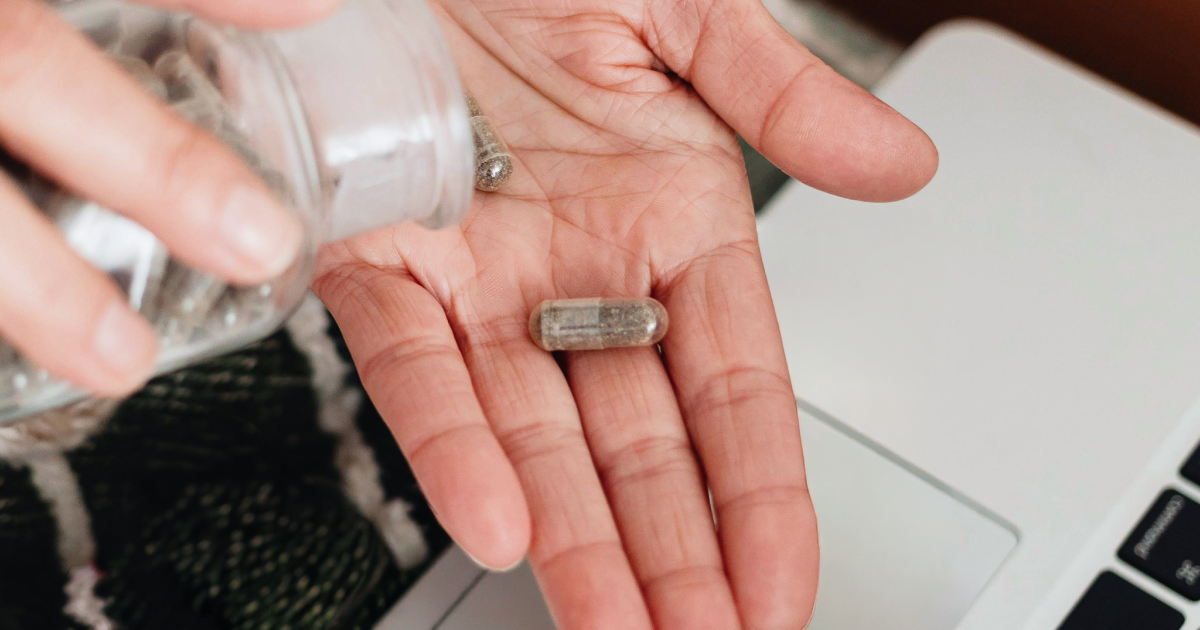
For those who remain sensitive to topical applications, oral minoxidil may be an option, though it must be prescribed by a dermatologist. This alternative bypasses the scalp entirely, reducing local irritation while still supporting hair growth through systemic action.
Natural Scalp Treatments
When mild flaking or dryness develops with minoxidil use, natural hair growth oils can help restore scalp comfort without interfering with treatment.
These plant-based options provide hydration, soothe irritation, and support the skin barrier, all while being gentle enough for sensitive scalps.
Jojoba Oil Benefits
Jojoba oil closely mimics the scalp’s natural sebum, making it ideal for replenishing lost moisture. It absorbs quickly, softens dry flakes, and helps regulate oil production.
Applying a few drops to the scalp after minoxidil has fully dried can reduce tightness and irritation. Its anti-inflammatory and non-comedogenic properties make it suitable for daily use, especially for those prone to dryness or mild seborrheic dermatitis.
Argan Oil Benefits
Rich in vitamin E and essential fatty acids, argan oil helps strengthen the scalp’s lipid barrier and prevent further moisture loss. It also contains natural antioxidants that calm irritation caused by alcohol-based minoxidil solutions.
Apply sparingly to the scalp and hair ends to restore shine and flexibility without clogging follicles. Regular use can improve comfort and minimize visible flakes, supporting a healthier scalp environment for ongoing hair growth treatment.
Professional Solutions
When home remedies fail to control minoxidil dandruff, professional interventions offer advanced solutions.
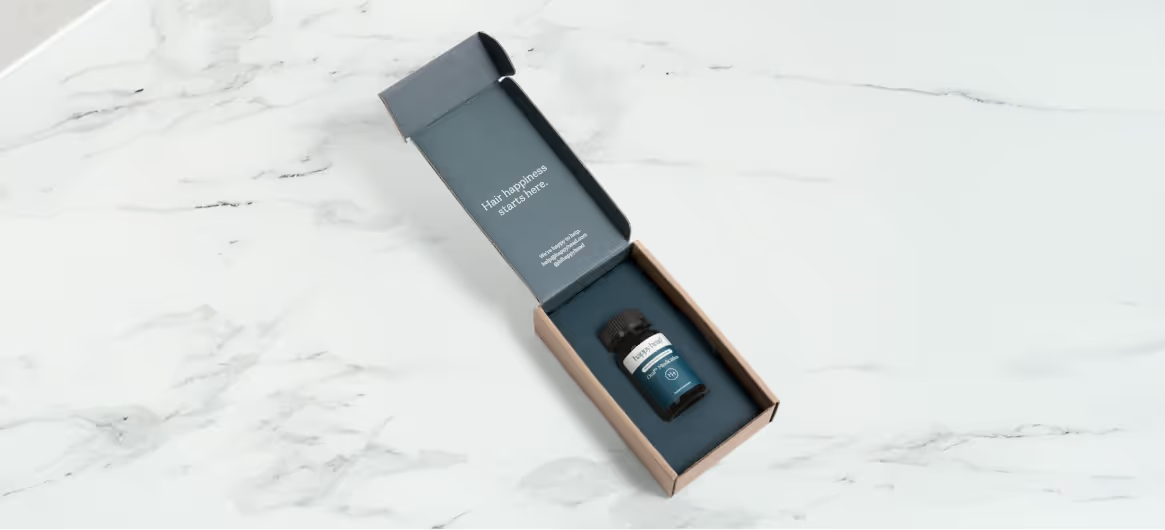
Happy Head's Custom Topical Minoxidil Rx, with the addition of ketoconazole, calms inflammation and reduces dandruff while maintaining treatment efficacy. Hydrocortisone can also be included to reduce redness and itching within days.
Some dermatologists also recommend short courses of fluocinolone 0.01% oil for severe cases, applying it twice weekly for two weeks to reset the scalp's moisture barrier.
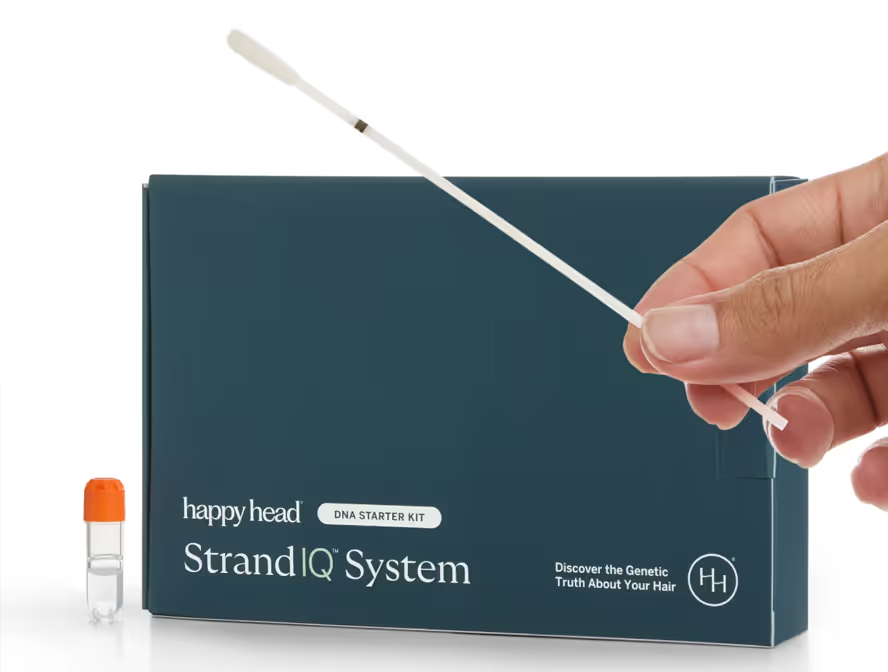
The Happy Head StrandIQ System DNA Starter Kit helps identify your genetic response to minoxidil, allowing for personalized dosing strategies.
Some people metabolize minoxidil faster, requiring twice-daily application, while others achieve results with once-daily use.
Pairing treatment with the Happy Head Complete Growth Bundle provides complementary products that support scalp health during the minoxidil adjustment period.
Other Possible Side Effects of Topical Minoxidil
While minoxidil is generally well tolerated, it can occasionally cause side effects beyond scalp flaking. Most are mild and temporary, but being aware of them helps users recognize when to adjust use or consult a dermatologist.
Monitoring your scalp and hair closely during the first few months can ensure early detection and proper management.
Initial Hair Shedding
A temporary increase in hair shedding often occurs during the first few weeks of treatment. This happens as older hairs are pushed out to make way for new growth stimulated by minoxidil.
Though unsettling, this phase is a normal sign that the medication is working. Shedding typically subsides within two to three months as the hair cycle stabilizes and new, thicker strands begin to emerge.
Mild Scalp Irritation
Some users experience mild redness, itching, or burning after applying minoxidil. These symptoms often result from alcohol or propylene glycol in liquid formulations rather than the active ingredient itself.
Using the foam version, applying to a completely dry scalp, or spacing applications further apart can reduce irritation. Persistent discomfort should be evaluated by a dermatologist to rule out contact dermatitis or sensitivity.
Unwanted Hair Growth
Occasionally, minoxidil may cause fine, soft hair growth on unintended areas, such as the forehead or face. This occurs when the product spreads beyond the application site or is transferred via hands or pillowcases.
Washing hands thoroughly after use and applying carefully to the scalp can help prevent this effect. Any new hair growth outside the treatment area typically resolves once use is adjusted or discontinued.
Changes in Hair Color or Texture
Rarely, users notice changes in hair texture or color after long-term minoxidil use. Hair may appear slightly coarser, curlier, or darker due to differences in how new hairs form during regrowth.
These effects are cosmetic and generally mild. If the change is pronounced or accompanied by scalp irritation, a dermatologist can determine whether an alternative formulation or approach is better suited to your scalp.
Rare Systemic Effects
Though uncommon, a small amount of topical minoxidil can be absorbed into the bloodstream, occasionally causing systemic effects such as dizziness, rapid heartbeat, or swelling in the hands and feet.
These symptoms are rare and usually occur with overuse or damaged skin. Anyone experiencing these issues should discontinue use immediately and seek medical evaluation to ensure blood pressure and cardiovascular function remain stable.
Minoxidil Alternatives To Consider
For individuals who experience persistent irritation, flaking, or poor response to minoxidil, several other treatment options may help promote hair growth.
These alternatives work through different mechanisms, with some targeting hormones and others improving follicle health naturally. Discussing these options with a dermatologist ensures the safest and most effective approach for your specific hair loss pattern and scalp sensitivity.
Finasteride or Dutasteride
Finasteride products and dutasteride products are medications that block dihydrotestosterone (DHT), the hormone responsible for follicle shrinkage in androgenetic alopecia. By lowering scalp DHT levels, they can slow or reverse thinning over time.
These medications are typically prescribed for men, though low-dose formulations may be used off-label for women. Regular medical supervision is essential, as hormonal side effects can occur and must be carefully managed.
Rosemary Oil for Natural Hair Growth
Rosemary oil has gained recognition for its ability to stimulate circulation and support follicle function naturally. It contains carnosic acid, an antioxidant compound that promotes cellular repair and may enhance nutrient delivery to hair roots.
When diluted with a carrier oil and applied consistently, rosemary oil can reduce shedding and support thicker growth. It’s a gentle, well-tolerated alternative for those sensitive to chemical treatments such as minoxidil.
Saw Palmetto To Promote New Growth
Saw palmetto is a botanical extract that works similarly to finasteride by inhibiting DHT production at the follicular level. It’s often used in topical serums or oral supplements to help maintain existing hair and encourage regrowth.
While results may develop gradually, saw palmetto offers a natural option with a lower risk of side effects. Combining it with a balanced diet and proper scalp care can further enhance its effectiveness.
Minoxidil Dandruff: Final Thoughts
Although minoxidil dandruff can be uncomfortable, it’s rarely a reason to stop treatment. With the right scalp care, hydration, and product adjustments, most people can control flaking and continue benefiting from minoxidil’s hair growth effects.
If irritation persists, a dermatologist can recommend tailored solutions or alternative therapies. Taking proactive steps to manage minoxidil dandruff helps ensure long-term treatment success and a healthier scalp overall.
Talk to a board-certified dermatologist to discuss your goals and find the solution that is best for you.
Frequently Asked Questions
Does minoxidil cause dandruff?
Topical minoxidil can cause scalp flaking in some people. This is commonly due to the drying effects of alcohol/propylene glycol or underlying seborrheic dermatitis and is different than the common fungal dandruff most people are familiar with. If flakes develop, try a gentler formulation, use an anti-dandruff shampoo, moisturize the scalp, or consult a dermatologist.
Does minoxidil dandruff go away?
Many patients find minoxidil-related flaking improves over 2–4 weeks as the scalp adjusts. If flaking persists, consider switching to foam, a lower dose or frequency, and using ketoconazole or zinc pyrithione shampoos plus moisturizers. Your dermatologist can provide targeted treatment if flaking doesn’t resolve.
How to stop flaking from minoxidil?
Use a gentle anti-dandruff shampoo containing ketoconazole, selenium sulfide, or zinc pyrithione, avoid hot water and alcohol-based styling products, add moisturizing conditioner or oil, apply minoxidil to a dry scalp, consider foam or less frequent dosing, and consult your dermatologist for prescription options if inflammation persists.
How long does flaking last with minoxidil?
Flaking often begins within the first weeks of treatment and commonly improves within 2–4 weeks as the scalp adapts. Changes, such as using foam minoxidil, a lower dose, and a medicated shampoo, often help. For some people with underlying seborrheic dermatitis, dandruff may take months to clear. See a dermatologist if flakes persist beyond 8 weeks or worsen.