


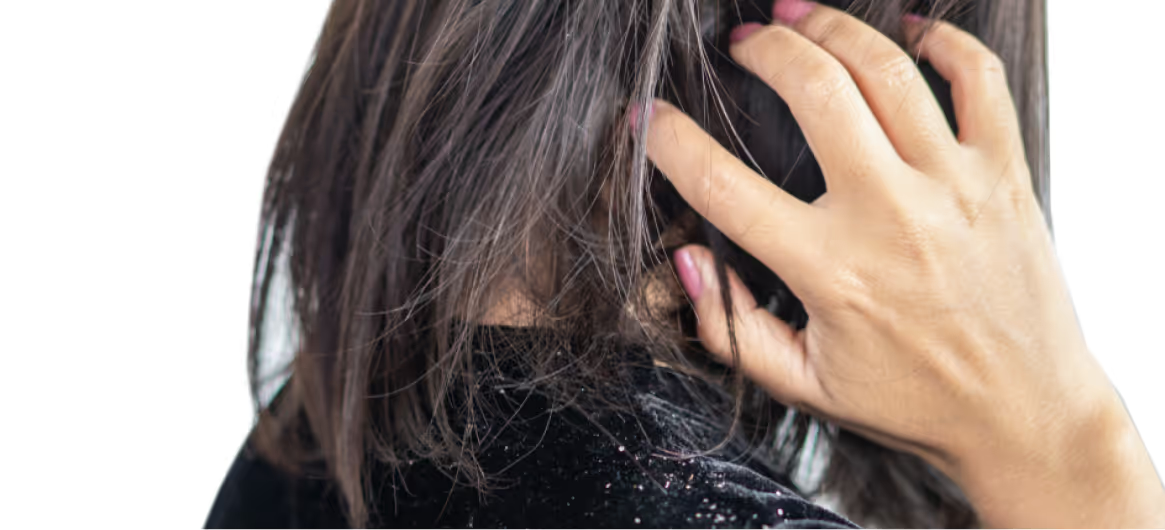

A flaky scalp can be uncomfortable, embarrassing, and frustrating to manage, yet it is a common issue affecting people of all ages.
While occasional flaking may result from dryness or seasonal changes, persistent flakes can signal underlying scalp conditions that require targeted care.
Understanding the causes, identifying warning signs, and adopting effective home and medicated treatments are essential steps. With the right approach, you can soothe irritation, restore balance, and support a healthier scalp and improved hair growth.
Causes of a Flaky Scalp
A flaky scalp can develop for many reasons, ranging from simple dryness to complex dermatologic conditions. Understanding what’s causing the flaking is key to choosing the right treatment.
In many cases, the scalp’s delicate balance of oils, moisture, and microbes becomes disrupted, leading to irritation, shedding skin, or visible buildup.
While minor cases improve with gentle care and hydration, persistent or inflamed flaking may point to an underlying issue such as dandruff, seborrheic dermatitis, or contact irritation. Below are some of the most common and clinically recognized causes of a flaky scalp.
Dry Skin and Weather
Cold, dry air and low humidity can strip moisture from the scalp’s outermost layer, leading to tightness, itching, and flaking. Hot showers and indoor heating worsen the problem by stripping natural oils that normally protect the skin barrier.
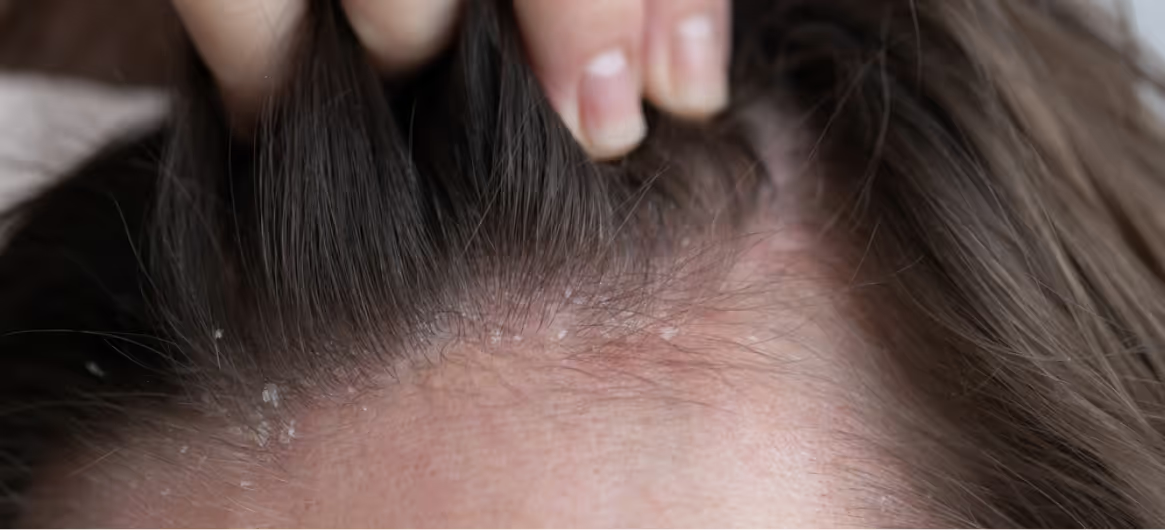
This dryness causes tiny white flakes that are especially noticeable on dark clothing. People who already have dry skin elsewhere on the body are more prone to this type of flaking.
Restoring hydration through gentle cleansing, regular conditioning, and occasional use of lightweight scalp oils can help.
Using a humidifier during winter and avoiding harsh, alcohol-based styling products also support scalp barrier repair and prevent further moisture loss.
Oily Scalp and Yeast
An oily scalp provides an ideal environment for the yeast Malassezia, a microorganism naturally found on the skin. When oil production increases, due to genetics, hormones, or infrequent washing, this yeast can multiply excessively and irritate the scalp.
The result is dandruff: oily, yellowish flakes accompanied by mild itching or irritation. Unlike dry scalp flakes, dandruff flakes often cling to the hair shaft and worsen when the scalp isn’t cleansed regularly.
Product buildup compounds the problem by trapping oils and dead skin cells. Styling products, dry shampoos, and heavy conditioners create a film that prevents normal cell shedding. This buildup feeds yeast growth and blocks pores, creating more inflammation and flaking.
Treatment usually involves medicated shampoos containing zinc pyrithione, ketoconazole, or selenium sulfide, which help rebalance the scalp’s microbiome and reduce yeast overgrowth.
Maintaining consistent scalp hygiene and avoiding heavy oils or occlusive styling products can help prevent recurrence.
Seborrheic Dermatitis
Seborrheic dermatitis is a chronic inflammatory skin condition that affects areas rich in oil glands, including the scalp. It causes thick, greasy scales, redness, and itching that may extend beyond the hairline to the eyebrows or sides of the nose.
While its exact cause isn’t fully understood, contributing factors include overproduction of sebum, immune response to Malassezia yeast, and genetic predisposition. Flare-ups often worsen in cold, dry weather or during periods of stress.
Treatment typically includes medicated shampoos with antifungal or anti-inflammatory agents, short courses of topical corticosteroids, and consistent scalp care to control symptoms. Because seborrheic dermatitis can mimic other scalp disorders, professional diagnosis is important.
Irritants
Exposure to harsh hair care ingredients is another common trigger for scalp flaking. Sulfates, alcohols, and certain fragrances can strip away protective oils, leading to dryness, inflammation, and barrier disruption.
Reactions may occur immediately or develop gradually with repeated use of irritants. Even natural ingredients, such as essential oils or plant extracts, can provoke sensitivity in some individuals.
Heat styling, chemical treatments, and tight hairstyles may further aggravate irritation. Switching to hypoallergenic, fragrance-free products and minimizing exposure to harsh chemicals helps restore the scalp’s natural balance.
Dermatologists can perform patch testing to identify specific irritants and recommend treatment options for contact dermatitis or chemical sensitivity.
Signs of a Serious Scalp Issue
While occasional flaking is often harmless, certain symptoms can indicate an underlying scalp disorder requiring medical attention. Persistent inflammation, redness, or thick scaling may signal conditions such as seborrheic dermatitis, psoriasis, or fungal infection.
Recognizing these warning signs early can help prevent worsening irritation, hair loss, or secondary infections and ensure you receive appropriate, targeted treatment.
Persistent Itching or Redness
Itching that continues despite switching shampoos or improving scalp hygiene is often a red flag for inflammation or infection. Persistent redness may indicate seborrheic dermatitis, psoriasis, eczema, or allergic contact dermatitis.
Chronic scratching can further damage the scalp barrier, leading to small abrasions or even temporary hair shedding. If itching interrupts sleep or daily comfort, it’s best to see a dermatologist.
They can assess whether the problem stems from an inflammatory condition, allergic reaction, or microbial imbalance and prescribe medicated shampoos, topical steroids, or antifungal treatments as needed to calm irritation and restore scalp health.
Unusual Scaling or Patches
Thick, adherent scales or patchy areas of flaking are not typical of simple dryness or dandruff. They may signal scalp psoriasis, a chronic autoimmune condition that speeds up skin cell turnover.
Psoriatic patches often appear as silvery-white scales over pink or red plaques and may extend beyond the hairline. These scales differ from typical flakes by forming raised, well-defined patches. They're stubborn to remove and often bleed when picked or scraped.
In other cases, circular scaly patches could point to a fungal infection such as tinea capitis.
Because these disorders require specific treatment, early evaluation is essential. Dermatologists can confirm the diagnosis through clinical examination and may recommend topical therapies, antifungal agents, or systemic medications depending on the underlying cause.
Inflammation, Swelling, and Oozing
When scalp flaking is accompanied by swelling, tenderness, or oozing, infection or severe inflammation is likely present. Bacterial or fungal overgrowth can penetrate damaged skin, leading to folliculitis or abscess formation.
These conditions often cause pain, crusting, and localized hair loss. Attempting to treat them with over-the-counter products may worsen symptoms. Medical care is essential to prevent scarring and permanent follicle damage.
Dermatologists typically prescribe topical or oral antibiotics, antifungal agents, and soothing anti-inflammatory treatments to clear the infection and allow the scalp to heal while restoring its natural microbiome balance.
Lack of Improvement With OTC Products
If flaking, itching, or redness persist despite consistent use of medicated shampoos or moisturizers, a more complex scalp disorder may be involved. Conditions such as psoriasis, seborrheic dermatitis, or eczema often require prescription-strength treatments.
Over-the-counter products may provide temporary relief but rarely resolve chronic inflammation or microbial imbalance. Dermatologists can evaluate your scalp, perform diagnostic tests if needed, and tailor a treatment plan to your specific condition.
Early intervention helps prevent symptoms from worsening and supports long-term scalp health, especially in individuals with recurring or treatment-resistant flaking.
Home Care Tips for Flaky Scalp
Consistent, gentle care is often the first step toward restoring scalp health and reducing flaking.
By adopting proper cleansing routines, using nourishing moisturizers, and making a few key lifestyle adjustments, you can calm irritation, strengthen the scalp barrier, and promote healthier hair growth.
Everyday Scalp Care
A gentle daily routine helps minimize irritation and maintain the scalp’s protective barrier.
- Wash your hair less frequently (about two to three times weekly) to avoid stripping natural oils, and always use lukewarm rather than hot water.
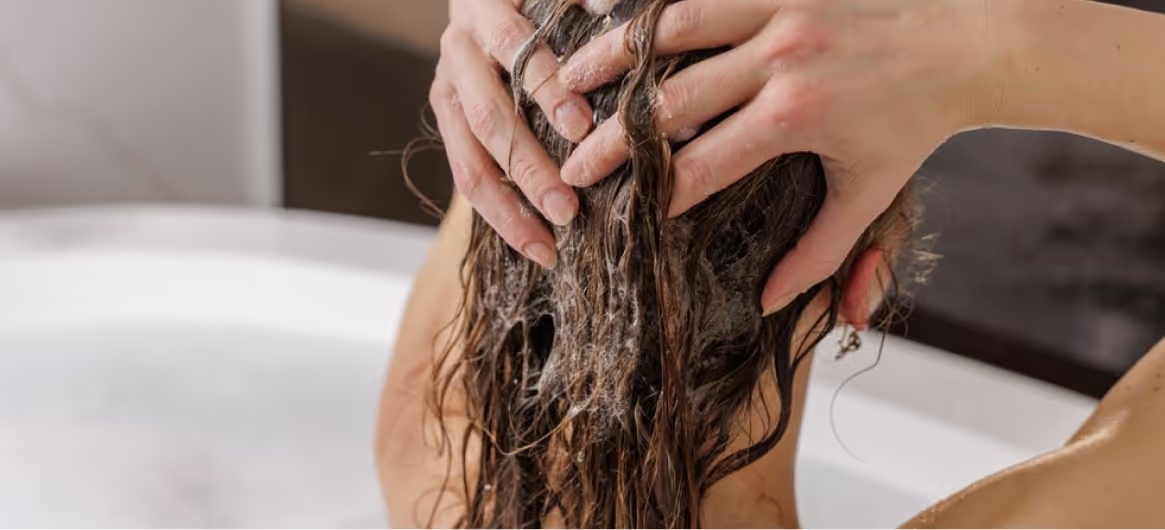
- Massage the scalp lightly during cleansing to boost circulation and remove buildup without scratching.
- Alternate between a moisturizing shampoo and an anti-dandruff formula to balance hydration and control yeast.
- Limit heat styling and chemical treatments, which can dehydrate the scalp and worsen flaking.
- Finish with a lightweight, nourishing conditioner or leave-in product to help seal in moisture and protect the scalp from environmental dryness.
Moisturizing Treatments
Hydration is essential for soothing and healing a flaky scalp. Natural oils such as jojoba, argan, and coconut oil mimic the scalp’s sebum, replenishing lost moisture and softening dead skin cells for easier exfoliation.
Apply a few drops directly to the scalp, leave the oil on for 30 minutes, and wash gently with a mild shampoo. For deep nourishment, overnight oil masks or lightweight leave-in serums can be beneficial, especially in the winter months.
Avoid heavy or comedogenic oils that may clog follicles. Regular moisturizing treatments restore flexibility to the skin barrier, reduce visible flaking, and create a balanced environment for healthy hair growth.
Lifestyle Changes
External care works best when supported by healthy daily habits. A balanced diet with food rich in omega-3 fatty acids, zinc, and vitamins A, D, and E promotes scalp hydration and reduces inflammation.
Drink plenty of water, and limit caffeine and alcohol, which can dehydrate the skin. Managing stress through yoga, meditation, or exercise helps minimize flare-ups of conditions such as seborrheic dermatitis or psoriasis.
If you smoke, quitting can improve circulation to the scalp and enhance nutrient delivery to follicles. Using a humidifier during dry months adds moisture to indoor air, preventing excessive dryness and keeping the scalp comfortable year-round.
Treating Flaky Scalp Related to Dandruff
Unlike simple dryness, dandruff stems from an imbalance of scalp oils and overgrowth of Malassezia yeast. Because it involves microbial and inflammatory components, dandruff requires specific medicated ingredients to restore balance and reduce irritation.
While moisturizing helps relieve mild flaking, targeted antifungal and keratolytic treatments are essential to stop the underlying cycle of excess oil, yeast proliferation, and shedding skin.
Anti-Dandruff Shampoo Ingredients
Effective dandruff treatment depends on selecting the right active ingredients to address yeast overgrowth and reduce inflammation.
- Zinc pyrithione helps control Malassezia while soothing irritation, making it suitable for mild to moderate dandruff.
- Ketoconazole, a broad-spectrum antifungal, targets more persistent yeast-related cases.
- Selenium sulfide decreases cell turnover and oil production, improving scaling and itching.
- Salicylic acid and coal tar work by loosening thick scales and slowing excessive skin shedding.
Many dermatologists recommend alternating between two or more formulas for optimal results, as different ingredients act on complementary pathways.
Consistent use and leaving the shampoo on the scalp for several minutes before rinsing are essential for maintaining long-term control and preventing recurrent flaking.
When To Switch Products
Rotating dandruff shampoos ensures broader control over yeast and oil production. If symptoms persist after two to four weeks of regular use, or if itching worsens, it may be time to switch to a different active ingredient.
Alternating formulas can reduce resistance, enhance results, and keep the scalp balanced. Dermatologists often suggest cycling between zinc pyrithione, ketoconazole, or selenium sulfide-based shampoos for sustained relief and healthier scalp maintenance.
Worsening symptoms after two weeks indicate the wrong treatment approach. If anti-dandruff shampoos aren't helping, the issue might be dryness, allergies, or another condition entirely. Stop current products, and try a different category of treatment.
Side effects such as increased dryness or irritation indicate it's time for a change. Some people develop sensitivity to certain ingredients over time. Watch for new redness, burning sensations, or excessive hair shedding.
When To Consult a Dermatologist About a Flaky Scalp
If flakes persist despite weeks of consistent home care or medicated shampoo use, it’s time to see a dermatologist. Persistent redness, itching, or thick scaling may indicate psoriasis, seborrheic dermatitis, eczema, or fungal infection rather than simple dandruff.
Dermatologists can perform a thorough scalp evaluation, rule out other conditions, and prescribe targeted treatments, such as topical corticosteroids, antifungals, or prescription-strength shampoos, to restore comfort and prevent chronic irritation or potential hair loss.
Preventing Future Scalp Flaking
Long-term scalp health requires consistent care rather than crisis management. Prevention strategies focus on maintaining balance through proper hygiene, nutrition, and stress management. Small daily habits create lasting improvements that reduce flaking episodes.
Balanced Hair Care Habits
Washing frequency is more important than most people realize. Over-washing strips natural oils, while under-washing allows buildup. Most people benefit from washing every 2–3 days, adjusting based on oil production and activity levels.
Product selection impacts scalp health significantly. Choose sulfate-free shampoos that clean without excessive stripping. Follow with lightweight conditioners applied only to hair lengths, avoiding the scalp area.
Monthly clarifying treatments remove stubborn buildup. Use clarifying shampoos or apple cider vinegar rinses to reset the scalp. This prevents product accumulation that feeds bacteria and blocks pores.
Stress and Diet Management
Stress triggers inflammatory responses that worsen scalp conditions. Cortisol spikes affect oil production and skin cell turnover rates. Regular exercise, meditation, or yoga can help manage stress levels naturally.
Nutritional deficiencies contribute to poor scalp condition and increased flaking. B vitamins, zinc, and vitamin D support healthy skin function. Include lean proteins, whole grains, and colorful vegetables in daily meals.
Sugar and processed foods increase inflammation throughout the body, including the scalp. Reducing these foods while increasing anti-inflammatory options such as berries and leafy greens helps from within.
Taking Control of Your Flaky Scalp
Achieving a healthy scalp requires consistency, patience, and the right care routine. By identifying the cause of flaking, whether it’s dryness, irritation, or dandruff, you can choose treatments that truly address the problem instead of masking it.
Pairing dermatologist-recommended products with gentle daily habits and balanced nutrition helps restore long-term scalp health. With proper management and attention, you can confidently take control of your flaky scalp and prevent future flare-ups.
Frequently Asked Questions
How do I stop my scalp from flaking?
To stop scalp flaking, use a gentle, sulfate-free shampoo and avoid overwashing, which can strip protective oils. Alternate between a hydrating shampoo and a medicated dandruff formula, and condition regularly. Massage lightweight oils into the scalp for moisture. If flakes persist, consult a dermatologist to rule out underlying scalp disorders.
What’s the difference between dandruff and a flaky scalp?
A flaky scalp typically results from dryness or irritation, producing small, white flakes and tightness. Dandruff, however, is linked to excess oil and yeast growth, leading to oily, yellowish flakes and itching. The two can overlap, but dandruff often requires medicated shampoos to control inflammation.
How do I know if my dandruff is dry or fungal?
Dry dandruff creates fine, white flakes and may worsen with cold weather or harsh products. Fungal dandruff involves oily buildup and yeast overgrowth, producing thicker, greasy scales with itching or redness. A dermatologist can examine your scalp to determine the exact cause and best treatment.
How often should I wash a flaky scalp?
Most people benefit from washing a flaky scalp two to three times per week, though the ideal frequency depends on scalp type. Dry scalps benefit from fewer washes and more hydration, while oily scalps may need gentle, frequent cleansing. Always use lukewarm water and avoid harsh surfactants or fragrances.
Can minoxidil cause scalp flaking?
Yes. Minoxidil can sometimes cause scalp flaking, dryness, or mild irritation, especially when first starting treatment. These effects often result from alcohol-based formulations that strip natural oils. Using a gentle shampoo, moisturizing the scalp, or switching to a foam or lower-alcohol version can help reduce flaking.