



Understanding what causes dandruff is the first step toward achieving a healthy, flake-free scalp. This common condition, affecting nearly half of all adults at some point, can lead to itching, irritation, and visible flakes that affect confidence and scalp comfort.
While many treatments address symptoms, long-term relief depends on targeting the underlying factors that disrupt scalp balance.
By addressing these root causes and maintaining proper scalp care, you not only reduce dandruff but also create an optimal environment to support stronger, healthier hair growth over time.
What Is Dandruff?
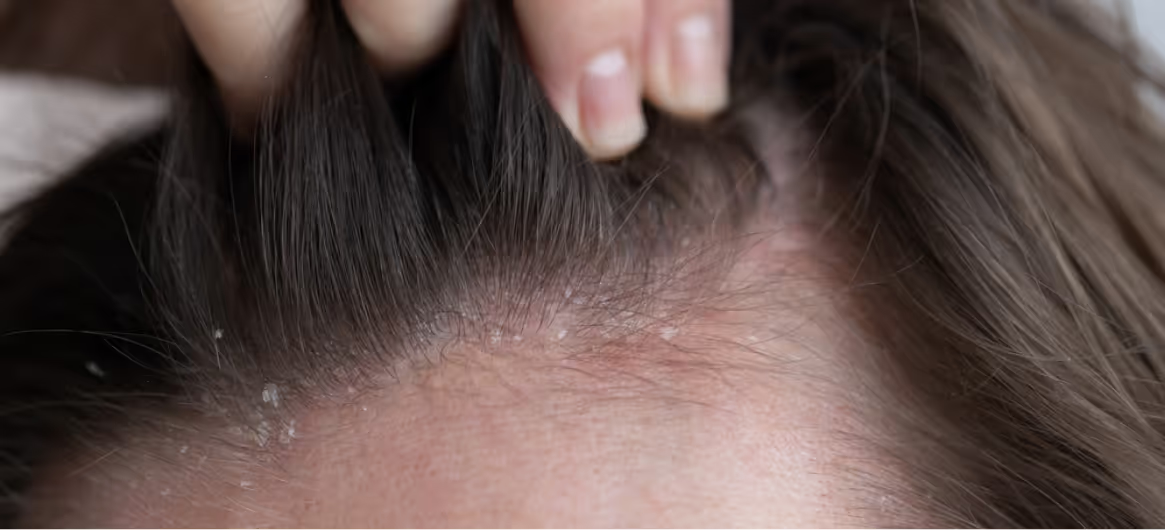
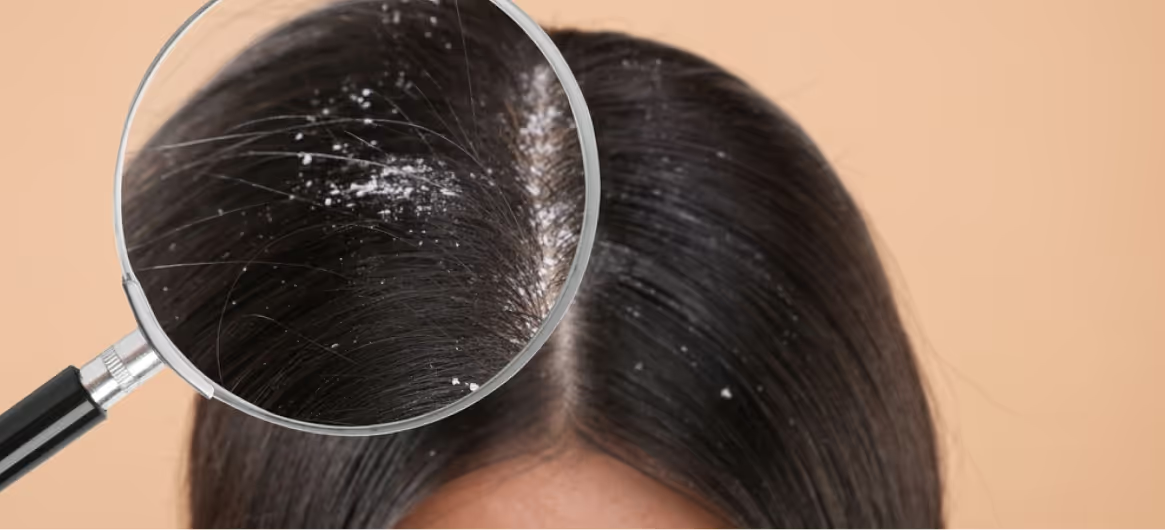
Dandruff is a common scalp condition characterized by the shedding of visible white or yellowish flakes of dead skin. It often appears on the scalp, hair, eyebrows, or even shoulders and may be accompanied by mild itching or irritation.
While harmless, dandruff can be persistent and embarrassing for many people. It tends to affect adults more often than children and is particularly common in men.
Dermatologists consider dandruff a mild form of seborrheic dermatitis, distinguished by a dry, flaky scalp rather than widespread redness or scaling.
Scalp Factors That Cause Dandruff
Dandruff develops when natural processes in the scalp become unbalanced, leading to irritation and excess skin shedding. Several underlying factors influence this imbalance, including oil production, microbial activity, and the integrity of the scalp barrier.
Understanding how these mechanisms interact helps explain why dandruff persists in some people despite regular washing or treatment.
Scalp Oil Buildup
The scalp naturally produces sebum, an oily substance that keeps skin moisturized and protected.
However, excessive sebum production can create an environment where dead skin cells stick together, forming visible flakes. It can also make the scalp appear greasy or feel itchy. Over time, this buildup may trap dirt and microorganisms, further irritating the skin’s surface.
Factors such as hormonal changes, stress, or infrequent shampooing can increase oil production.
Dermatologists often recommend managing scalp oils with gentle, medicated shampoos that cleanse thoroughly without stripping essential moisture, helping to restore a healthy equilibrium and reduce flaking.
Yeast Fungus Growth
A naturally occurring yeast-like fungus called Malassezia (specifically Malassezia globosa and Malassezia restricta) lives on most scalps.
In some individuals, it grows excessively and feeds on scalp oils, releasing irritating byproducts that disrupt normal cell turnover. This overgrowth can lead to inflammation, itching, and the characteristic white or yellow flakes of dandruff.
While Malassezia is not inherently harmful, an imbalance in scalp microbiota or excess sebum encourages its proliferation. Humid climates, stress, and infrequent washing may also contribute.
Antifungal ingredients such as ketoconazole, zinc pyrithione, and selenium sulfide are commonly used in medicated shampoos to control Malassezia and restore microbial balance, effectively reducing dandruff symptoms and scalp irritation.
Skin Barrier Breakdown
The scalp’s outermost layer, the stratum corneum, acts as a barrier to lock in moisture and protect against irritants. The scalp barrier consists of lipids, proteins, and natural moisturizing factors that normally protect against environmental damage.
When this barrier weakens, it allows excess water loss and increases susceptibility to inflammation, dryness, and flaking.
Overwashing, harsh hair products, and environmental stressors such as cold weather or low humidity can damage this protective layer. Once compromised, even normal amounts of yeast or oil can trigger irritation and dandruff.
Supporting the skin barrier through gentle cleansing, adequate hydration, and products with soothing or replenishing ingredients (such as ceramides or mild emollients) helps calm irritation and restore a balanced scalp environment, reducing visible flakes over time.
Certain Skin Conditions
Some skin conditions can mimic or worsen dandruff by disrupting normal cell turnover and scalp health. Seborrheic dermatitis, psoriasis, and eczema are among the most common.
Seborrheic dermatitis often causes greasy, yellowish scales on red, inflamed skin, while psoriasis creates thicker, silvery plaques that extend beyond the scalp. Eczema can lead to dryness, itching, and flaking that resemble dandruff.
These conditions require targeted medical treatments in addition to dandruff care, as standard anti-dandruff shampoos may not be sufficient.
Dermatologists can distinguish between these disorders and recommend appropriate therapies, such as topical corticosteroids or prescription antifungal agents, to manage symptoms effectively and maintain long-term scalp comfort.
Lifestyle and Weather Impacts
While dandruff begins with biological changes in the scalp, lifestyle choices and environmental factors can significantly influence its severity and frequency. Stress, diet, and climate all affect how the scalp produces oil and responds to irritation.

Stress and Scalp Irritation
Emotional or physical stress can have a measurable impact on scalp health. When stress hormones such as cortisol rise, they can increase sebum production and inflammation, both of which worsen dandruff.
Stress may also weaken the immune system, reducing the scalp’s ability to control yeast growth and maintain its natural barrier. People under chronic stress often report itchier, more irritated scalps, even if their hair-washing habits remain the same.
Incorporating relaxation techniques such as meditation, regular exercise, or adequate sleep can help regulate hormonal balance and improve scalp resilience.
Combined with consistent use of medicated shampoos, stress management plays an important part in reducing flare-ups and maintaining long-term dandruff control.
Humidity and Temperature Shifts
Weather changes can dramatically influence scalp moisture balance and oil production, often triggering dandruff flare-ups.
In cold, dry environments, the scalp tends to lose moisture more quickly, leading to flaking and tightness. Conversely, high humidity and heat can stimulate excess oil production, creating a breeding ground for yeast and irritation.
Frequent temperature transitions, such as moving between heated indoor air and cold outdoor air, can further stress the scalp’s barrier function.
To minimize seasonal dandruff, dermatologists recommend adjusting your hair-care routine throughout the year: use hydrating, gentle cleansers in dry months and antifungal or oil-controlling shampoos during warmer seasons.
Maintaining scalp hydration and protection against extreme conditions can greatly reduce the recurrence of dandruff and the associated discomfort.
Diet and Scalp Health
What you eat can influence your scalp’s condition and its tendency to flake. A balanced diet provides the vitamins, minerals, and fatty acids needed to support healthy skin cell turnover and oil regulation.
Deficiencies in nutrients such as zinc, vitamin B6, or omega-3 fatty acids may make the scalp more prone to dryness and irritation. Diets high in saturated fats or processed sugars can also increase inflammation, potentially worsening dandruff symptoms.
To promote scalp balance, include foods rich in antioxidants, lean proteins, and healthy fats, such as salmon, walnuts, leafy greens, and whole grains.
Staying hydrated is equally important, as dehydration can compromise the scalp’s natural barrier. Together, these habits help maintain scalp health from the inside out.
Haircare Products and Practices
Everyday haircare habits can either help or worsen dandruff, depending on the products and routines you use. Certain shampoos, styling products, or cleansing frequencies can disrupt the scalp’s delicate balance of oils and microorganisms.
Harsh Ingredients and Irritants
Many over-the-counter hair products contain ingredients that can aggravate dandruff-prone scalps. Sulfates, alcohols, synthetic fragrances, and certain preservatives can strip natural oils or trigger contact irritation, leading to increased flaking and itchiness.
Even strong clarifying shampoos, if overused, may disrupt the scalp’s barrier function, making it more susceptible to dryness and inflammation.
Some people also react to specific ingredients in styling products like gels or sprays, which can leave residues that clog follicles and trap yeast-promoting oils.
Choosing gentle, dermatologist-tested formulas free of harsh surfactants and fragrances can help restore balance. Look for hydrating cleansers or medicated shampoos with mild antifungal or anti-inflammatory properties to manage dandruff without worsening irritation.
Washing Frequency Issues
How often you wash your hair greatly impacts dandruff management. Washing too infrequently allows sebum and dead skin cells to accumulate, creating an ideal environment for yeast overgrowth and irritation.
On the other hand, washing too often, especially with strong detergents, can strip essential oils and weaken the scalp barrier, leading to dryness and reactive flaking. Finding the right balance depends on your hair type, scalp oil levels, and product choices.
Most people with dandruff benefit from washing every other day with a gentle or medicated shampoo containing zinc pyrithione, salicylic acid, or ketoconazole.
Consistency is key: regular cleansing helps control buildup while maintaining the scalp’s natural protective layer, supporting long-term comfort and flake reduction.
Treatment and Prevention Basics
Managing dandruff effectively requires consistent scalp care focused on restoring balance and preventing flare-ups. A combination of antifungal treatments, gentle cleansing habits, and ongoing scalp maintenance offers the most reliable path toward long-term relief.
Using Antifungal Solutions
Because yeast overgrowth is a leading cause of dandruff, antifungal treatments are a cornerstone of effective care. Shampoos containing active ingredients such as ketoconazole, zinc pyrithione, or selenium sulfide help reduce Malassezia levels and calm scalp irritation.
For best results, apply the shampoo to damp hair, gently massage it into the scalp, and let it sit for several minutes before rinsing.
Use these formulas several times per week, alternating with a gentle cleanser to prevent dryness. With consistent use, antifungal shampoos can significantly decrease flaking, itching, and visible buildup.
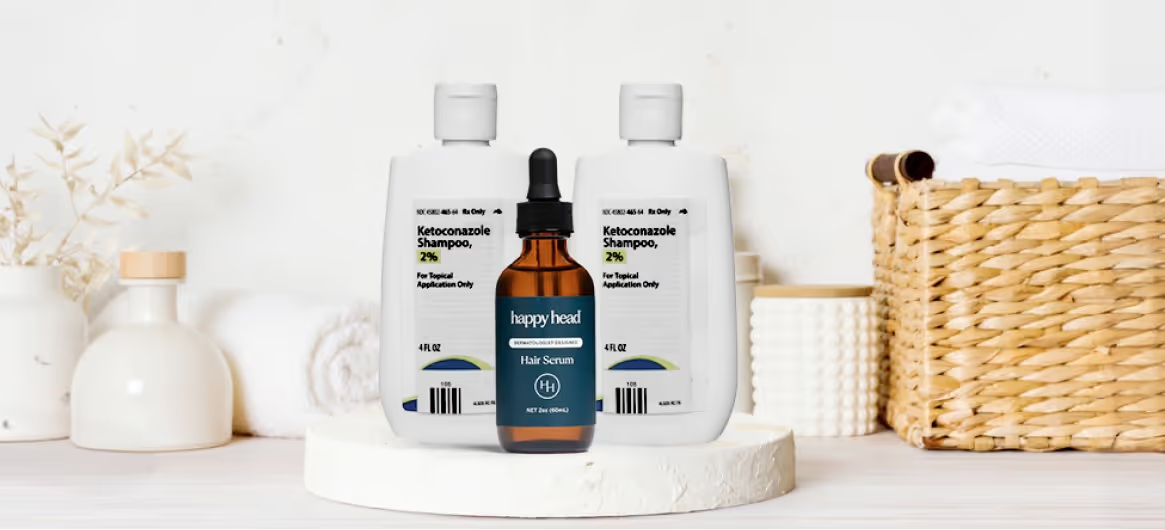
For persistent cases, Happy Head’s TopicalRx Dandruff Solution is worth considering. The treatment includes one bottle of custom-compounded topical solution containing 0.05% clobetasol and 2.5% ketoconazole and two bottles of 2% ketoconazole shampoo.
This prescription treatment is designed to restore healthier scalp conditions, minimize damage to hair follicles, reduce dandruff, calm irritation, and block DHT buildup for improved scalp and follicle health.
Gentle Cleansing Routines
A gentle cleansing approach helps maintain scalp comfort while preventing buildup. Choose sulfate-free shampoos formulated for sensitive or dry scalps, and avoid washing with very hot water, which can strip moisture.
Leave treatment shampoos on the scalp for 3–5 minutes before rinsing to allow active ingredients to penetrate and work effectively. Massage the scalp gently with your fingertips to loosen flakes without scratching, and rinse thoroughly to remove residue.
Dermatologists often recommend alternating medicated shampoos with mild, hydrating cleansers to prevent excessive dryness.
Consistent, careful washing supports natural oil balance, enhances treatment effectiveness, and reduces irritation that can trigger new dandruff flare-ups.
Maintaining Scalp Health
Long-term dandruff prevention depends on maintaining a resilient, well-nourished scalp. Regular hydration, stress management, and balanced nutrition all contribute to a healthy scalp environment.
Using lightweight conditioners or leave-in treatments formulated for sensitive skin can keep the scalp moisturized without clogging follicles.
Protecting your scalp from harsh weather and limiting the use of alcohol-based styling products also helps preserve its barrier function. Regularly exfoliating the scalp removes dead cells before they accumulate into visible flakes.
Remember that proper nutrition is essential for scalp health. Omega-3 fatty acids reduce inflammation, while B vitamins support healthy skin cell turnover.
Routine care not only minimizes future dandruff but also promotes stronger, shinier, and more comfortable hair overall.
When To Seek Professional Help
If dandruff persists despite regular use of medicated shampoos or worsens with redness, thick scales, or intense itching, it may signal a more complex scalp condition such as seborrheic dermatitis, psoriasis, or eczema.
In these cases, consulting a board-certified dermatologist is essential.
A professional can perform a complete examination, provide an accurate diagnosis, rule out other disorders, and prescribe targeted treatments, such as topical corticosteroids or stronger antifungal agents, to restore scalp health and long-term comfort.
What Causes Dandruff? The Bottom Line
Dandruff is more than just flakes—it reflects the delicate balance of your scalp’s oils, microbiome, and overall health.
While factors such as yeast overgrowth, barrier breakdown, and stress trigger flaking and are largely beyond your control, proactive daily habits can make a real difference.
Thoughtful haircare, targeted antifungal treatments, proper nutrition, and stress management work together to restore scalp balance.
By understanding and addressing dandruff’s underlying causes, you can go beyond symptom relief and cultivate a healthier, more comfortable scalp long term.
Talk to a board-certified dermatologist to discuss your goals and find the solution that is best for you.
Frequently Asked Questions
What is the main cause of dandruff?
The primary cause of dandruff is seborrheic dermatitis, a condition related to excess oil production on the scalp. A fungus called Malassezia, which naturally lives on most adults' scalps and feeds on skin oils, often triggers this condition. When Malassezia grows excessively, it can irritate the scalp and accelerate skin cell turnover, leading to the characteristic white flakes of dandruff.
Should I scratch my dandruff out?
No, you should avoid scratching dandruff flakes, even though it may feel relieving. Scratching can irritate the scalp, worsen inflammation, and cause small wounds that increase the risk of infection. Instead, use a medicated shampoo containing ingredients such as zinc pyrithione, ketoconazole, or selenium sulfide to address the root cause and soothe itching safely.
How do you stop having dandruff?
To stop dandruff, focus on treating both the underlying cause and scalp health. Use an anti-dandruff shampoo with ingredients such as zinc pyrithione, ketoconazole, or salicylic acid several times weekly. Maintain consistent scalp hygiene, avoid harsh products, and manage stress, which can trigger flare-ups. Persistent dandruff may require evaluation by a dermatologist for targeted treatment.
Can stress and weather conditions cause dandruff?
Yes, both stress and weather can trigger or worsen dandruff. Cold, dry weather often exacerbates flaking by drying out the scalp, while stress can disrupt your body's natural balance and immune response, making you more susceptible to scalp conditions. Other environmental triggers include changes in humidity and seasonal transitions, particularly during winter months when indoor heating creates drier conditions.
Is dandruff caused by poor hygiene?
No, dandruff is not caused by poor hygiene. This is a common misconception. While infrequent hair washing may make dandruff more visible due to oil and skin cell buildup, the condition itself stems from factors such as fungal overgrowth, oily skin, or sensitivity to hair products. Regular washing with appropriate treatments can help manage symptoms, but excessive washing can sometimes worsen the condition by irritating the scalp.
What's the difference between dandruff and dry scalp?
Dandruff typically results from excess oil production combined with yeast overgrowth, producing oily, yellowish flakes that stick to the hair and scalp. Dry scalp, conversely, lacks moisture and produces smaller, white flakes that fall easily from the head. Dandruff often comes with an itchy, irritated scalp that may appear red or inflamed, while a dry scalp simply feels tight and dehydrated without significant inflammation.