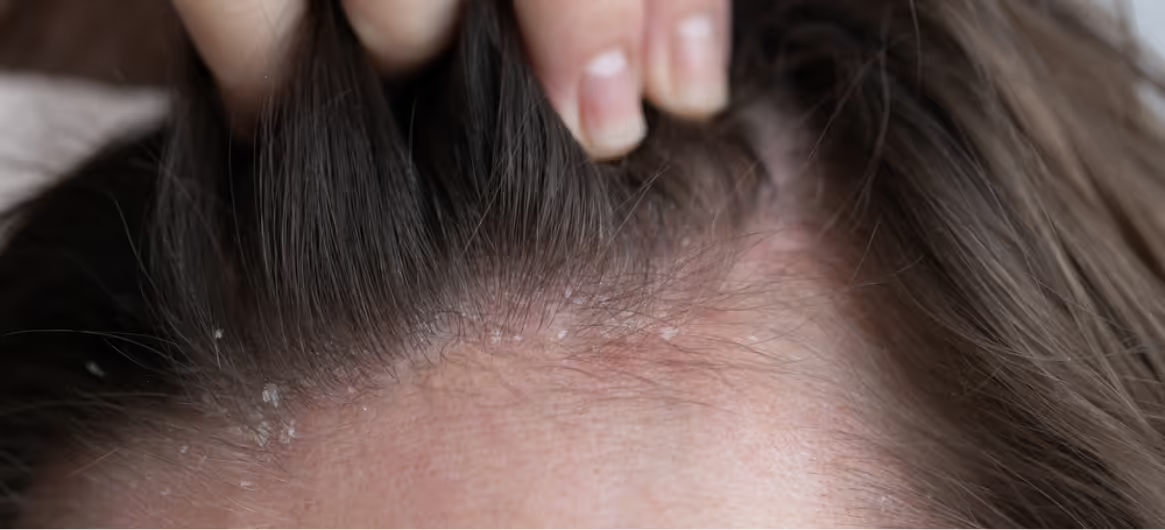



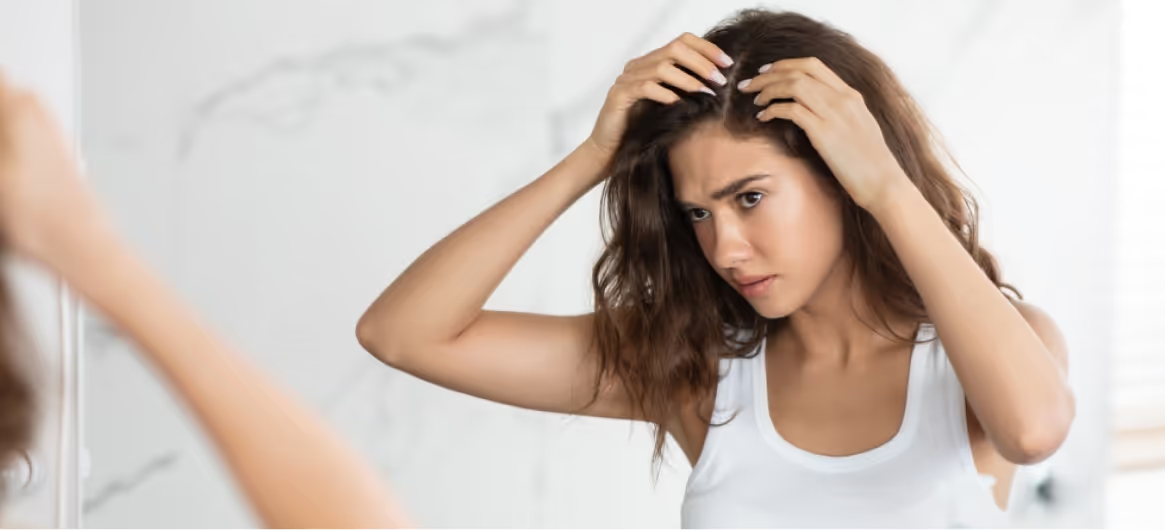

Struggling with a flaky, itchy scalp can be frustrating, and unfortunately, many people simply don’t know how to get rid of dandruff effectively.
The answer is easy: understanding the underlying causes and using the right combination of treatments is key to achieving lasting relief.
From medicated shampoos and prescription therapies to natural remedies and lifestyle adjustments, there are evidence-based strategies that address both symptoms and root triggers.
This guide offers detailed, dermatologist-backed insights to help you restore scalp health, reduce flakes, and prevent future flare-ups safely and effectively. Before you know it, you’ll soon be enjoying healthy hair and improved hair growth, along with renewed confidence.
Understanding What Causes Dandruff
Dandruff develops when the scalp’s natural renewal process speeds up, causing visible flakes of dead skin to shed.
The most common trigger is an overgrowth of Malassezia, a yeast that thrives on scalp oils. In some people, this yeast causes irritation and inflammation, leading to itching and excess cell turnover.
Other contributing factors include seborrheic dermatitis, dry skin, sensitivity to certain hair products, and hormonal changes that increase sebum production.
Environmental factors such as cold, dry weather can also worsen symptoms, making consistent scalp care essential for lasting relief.
How To Get Rid of Dandruff With Dandruff Shampoos
Medicated shampoos are the cornerstone of dandruff treatment, targeting the root causes rather than just the symptoms. Choosing the right formula and using it correctly can significantly reduce flakes, itching, and scalp irritation.
Dandruff Shampoo Ingredients
Effective dandruff shampoos contain active ingredients that address specific scalp issues. Zinc pyrithione and selenium sulfide reduce Malassezia yeast growth, while ketoconazole provides broad antifungal action.
Salicylic acid helps exfoliate scales and loosen buildup, and coal tar slows rapid skin cell turnover. For sensitive scalps, sulfur-based or piroctone olamine shampoos can control flaking with less irritation.
Rotating between formulas may prevent resistance and maintain effectiveness.
Washing Frequency
How often you wash depends on your scalp type and the severity of dandruff. Most people benefit from using medicated shampoo two to three times weekly, alternating with a gentle, fragrance-free cleanser.
Consistent use helps maintain results, while over-washing can cause dryness or irritation.
Prescription Medications for Treating Dandruff
When over-the-counter shampoos fail to control dandruff, a dermatologist can prescribe stronger treatments. These medications target the underlying inflammation, yeast overgrowth, and excessive sebum production that drive persistent dandruff and seborrheic dermatitis.
When To See a Dermatologist
If dandruff doesn’t improve after several weeks of using medicated shampoos or if you notice redness, thick scales, or intense itching, it’s time to see a dermatologist.
Persistent flaking may indicate seborrheic dermatitis, psoriasis, or eczema, which are conditions that require prescription-strength care and professional diagnosis.
Prescription Treatment Options for Dandruff
Dermatologists may prescribe prescription-strength topical antifungal creams (such as 2% ketoconazole), corticosteroid lotions, or calcineurin inhibitors to calm inflammation and reduce yeast activity.
In more severe cases, oral antifungal medications or short courses of corticosteroids may be used.
These treatments are tailored to the individual’s scalp condition and typically work best alongside gentle cleansing and consistent scalp maintenance.
Natural Solutions To Try
Some natural ingredients can complement medicated treatments by soothing irritation, balancing scalp oils, and reducing yeast overgrowth.
While results vary, many of these remedies have mild antifungal or anti-inflammatory effects that may provide relief when used correctly and consistently.
Apple Cider Vinegar
Apple cider vinegar helps balance scalp pH and reduce Malassezia growth, thanks to its mild acidity and antimicrobial properties.
Mix equal parts vinegar and water, apply to the scalp after shampooing, and rinse after a few minutes. Avoid using it undiluted, as it can irritate sensitive skin or worsen dryness.
Tea Tree Oil
Tea tree oil has strong antifungal and anti-inflammatory properties that target the yeast linked to dandruff. Add a few drops to your regular shampoo or mix with a carrier oil before massaging it into the scalp. Use two to three times weekly to reduce flaking and soothe itching.
Baking Soda
Baking soda gently exfoliates the scalp, removing excess oil and flakes. Its alkaline nature can also reduce Malassezia activity.
Create a paste with water, massage gently into the scalp for one to two minutes, and then rinse thoroughly. Overuse can cause dryness, so limit to once weekly at most.
Coconut Oil
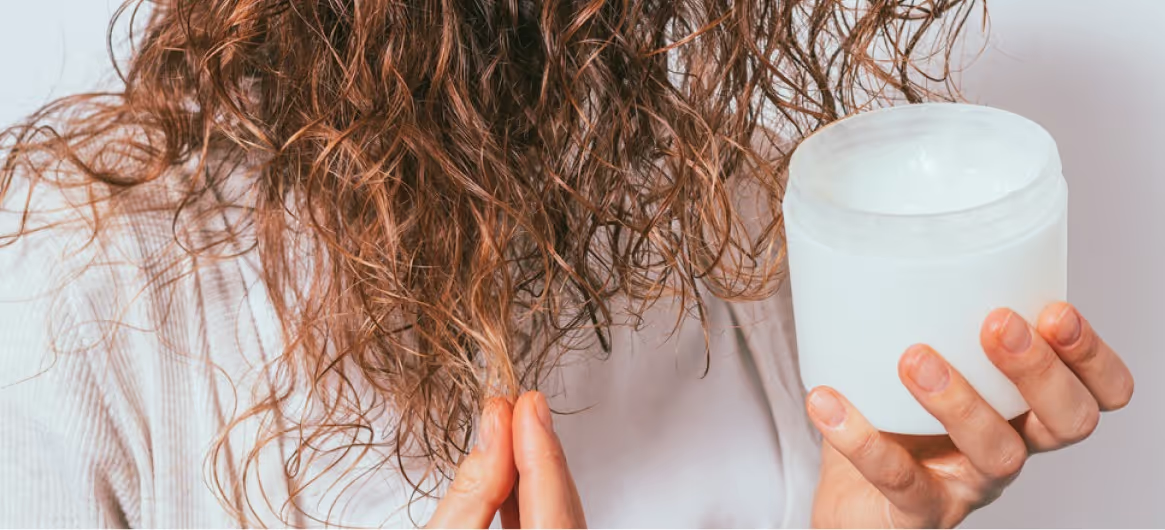
Coconut oil’s antifungal properties and rich fatty acids help moisturize the scalp while reducing Malassezia-related irritation.
Warm a small amount, massage it into the scalp, and leave it on for at least 30 minutes before shampooing. Regular use can calm inflammation and restore scalp hydration without heaviness.
Aloe Vera
Aloe vera soothes itching and irritation due to its anti-inflammatory and cooling effects. It also contains enzymes that help break down excess scalp oil.
Apply fresh aloe gel directly to the scalp, leave on for 20 minutes, and then rinse. Consistent use may promote a healthier, more balanced scalp environment.
Lemon Juice
Lemon juice’s citric acid helps rebalance scalp pH and limit yeast growth. Mix equal parts lemon juice and water, apply to the scalp, and leave on for five minutes before rinsing. Avoid applying to broken skin or open sores, as the acidity can cause stinging or irritation.
Aspirin
Aspirin contains salicylic acid, which helps exfoliate scalp buildup and reduce flaking. Crush two tablets, mix them with shampoo, and massage the mixture into the scalp for a few minutes before rinsing thoroughly.
This simple method can help loosen scales and soothe inflammation when used once or twice weekly.
Neem
Neem leaves and oil have potent antifungal and antibacterial properties that target dandruff-causing microbes.
Boil neem leaves in water, cool, strain, and use as a final rinse, or mix neem oil with a carrier oil and massage into the scalp. Use regularly to calm itching and control flakes naturally.
Fenugreek Seeds
Fenugreek seeds contain nicotinic acid and protein, which nourish the scalp and reduce dandruff.
Soak the seeds overnight, grind them into a paste, and apply to the scalp for 30 minutes before cleansing with a mild shampoo. Regular use may help balance scalp oil and improve overall scalp health.
Lifestyle Changes To Discourage Dandruff
Healthy habits can make a noticeable difference in managing dandruff. Supporting your scalp from within and minimizing external triggers helps control flare-ups and prevent recurrence.
Manage Stress
Chronic stress disrupts hormone balance and weakens the immune system, allowing Malassezia yeast to thrive.
Practice daily stress management techniques such as deep breathing, yoga, or mindfulness meditation. Adequate sleep and regular exercise also help regulate inflammation and oil production, supporting a calmer, healthier scalp environment over time.
Reduce the Use of Styling Products
Heavy styling products such as gels, waxes, and sprays can build up on the scalp, trapping oil and dead skin cells that worsen dandruff.
Opt for lightweight, non-comedogenic formulas, and wash hair thoroughly to remove residue. Minimizing product use lets the scalp breathe and reduces irritation caused by synthetic ingredients and fragrances.
Add More Omega-3s and Probiotics to Your Diet
Omega-3 fatty acids support scalp hydration and reduce inflammation, while probiotics help balance gut and skin microbiomes that influence scalp health. Include foods known to boost hair health, such as salmon, walnuts, flaxseeds, yogurt, and fermented foods, in your diet.
Over time, these nutrients can strengthen the skin barrier and reduce dandruff-triggering dryness and irritation.
How To Get Rid of Dandruff: The Bottom Line
Dandruff isn’t just a cosmetic concern—it’s a sign that your scalp’s balance is off. The causes of your dandruff could be yeast overgrowth, excess oil, or accelerated skin turnover, so treatment should be multipronged.
Medicated shampoos can directly reduce yeast and slow flaking, but long-term control also requires addressing triggers, such as stress, product buildup, diet, and underlying skin conditions.
For the best results, combine a reputable dandruff shampoo and washing technique with lifestyle changes. Consult a dermatologist if flakes persist or worsen; targeted prescription therapies can resolve stubborn cases and effectively protect scalp health.
Talk to a board-certified dermatologist to discuss your goals and find the solution that is best for you.
Frequently Asked Questions
What kills dandruff fast?
The fastest way to eliminate dandruff is by using a medicated shampoo containing zinc pyrithione, selenium sulfide, ketoconazole, or salicylic acid. These ingredients quickly reduce yeast growth, control flaking, and relieve scalp irritation within days of consistent use.
What is the main cause of dandruff?
Dandruff mainly results from an overgrowth of Malassezia yeast on the scalp, which triggers inflammation and speeds up skin cell turnover. Other contributing factors include oily skin, infrequent washing, cold weather, or sensitivity to hair products and ingredients.
How do I permanently get rid of dandruff?
Permanent relief from dandruff requires consistent scalp care rather than a single treatment. Using medicated shampoos regularly, maintaining scalp hygiene, reducing stress, and addressing underlying conditions such as seborrheic dermatitis are key to long-term control and prevention.
Is it okay to scratch dandruff?
Scratching dandruff is not recommended as it can damage the scalp, worsen inflammation, and even lead to infection. Instead, gently massage medicated shampoo into the scalp to loosen flakes and relieve itching without causing irritation or spreading the underlying yeast.