


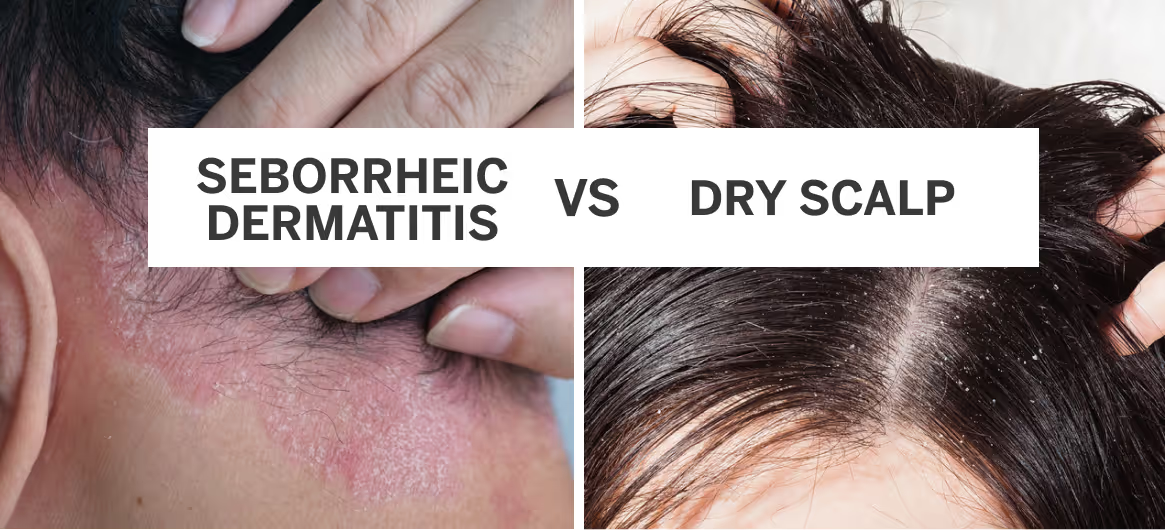

Seborrheic dermatitis vs. dandruff: are they the same? While many people use the terms interchangeably, seborrheic dermatitis and dandruff are actually different conditions that require different approaches.
Understanding these differences can make all the difference in finding the right hair growth treatment and enjoying healthy hair again.
Dandruff is actually a mild form of seborrheic dermatitis. It causes dry, whitish flakes without much redness or irritation.
Seborrheic dermatitis goes beyond simple flaking. This chronic inflammatory condition affects oil-rich areas of the body, causing red, scaly patches along with greasy-looking flakes. The scalp might feel itchy, tender, or even painful.
Nearly 50% of adults experience scalp flaking at some point in their lives. Whether you’re dealing with seborrheic dermatitis or dandruff, rest assured knowing that both conditions are manageable with the right knowledge and care routine.
How Dandruff and Seborrheic Dermatitis Present Differently
The visible symptoms of these two scalp conditions might seem similar at first glance, but closer inspection reveals distinct differences. Learning to spot these variations helps determine which treatment approach will work best for your specific situation.
Scalp Flakes and Scales
While both dandruff and seborrheic dermatitis involve visible shedding from the scalp, their appearance and texture differ significantly.
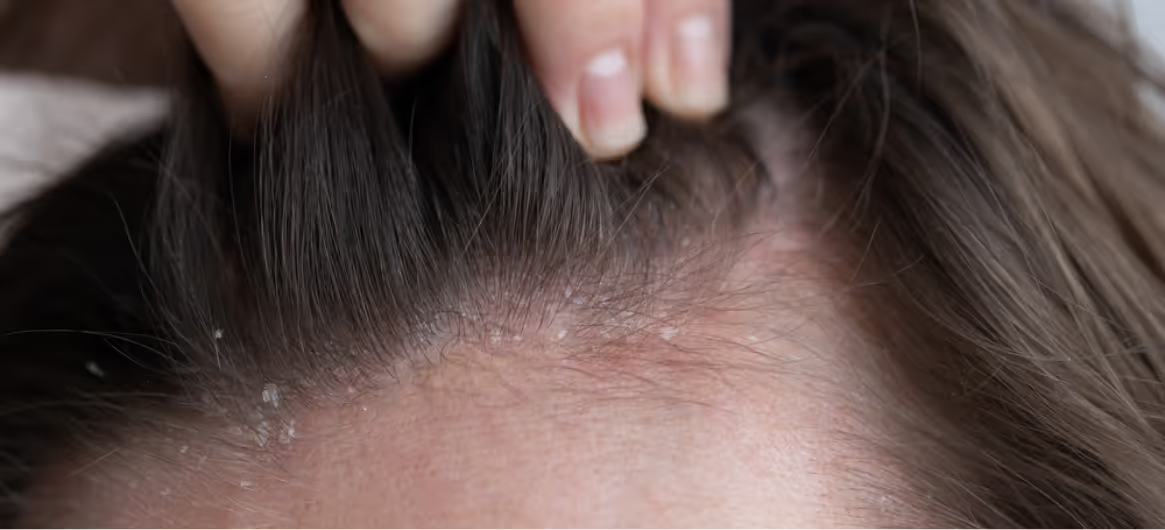
Dandruff typically produces fine, white or grayish flakes that are dry and loose, often falling easily from the scalp onto the shoulders. These flakes form when excess oil and Malassezia yeast disrupt normal cell turnover, leading to mild scaling without inflammation.
In contrast, seborrheic dermatitis presents with thicker, greasy, yellowish scales that adhere more tightly to the scalp and hair shafts. The affected skin often appears red, inflamed, or shiny beneath these scales, especially around the hairline, eyebrows, or behind the ears.
The oily, clumped nature of seborrheic scales reflects a stronger inflammatory response and higher sebum production than simple dandruff, which helps dermatologists distinguish between the two.
Redness and Inflammation
Regular dandruff rarely causes visible redness or swelling. Your scalp might feel slightly dry or tight, but it typically maintains its normal color. Any itching tends to be mild and manageable with regular shampooing.
Seborrheic dermatitis appears entirely different. The affected areas turn pink or red, showing clear signs of inflammation. The skin underneath those greasy scales often looks angry and irritated.
This inflammation can spread to other sebum-rich areas such as the eyebrows, sides of the nose, or even the chest. Some people describe the itching as a burning or stinging sensation rather than just an itch.
Prevalence
Dandruff is extremely common, affecting nearly half of the adult population worldwide at some point in their lives. It tends to appear after puberty, when sebaceous gland activity increases, and is more prevalent in men due to androgen-driven oil production.
While mild and chronic, dandruff often fluctuates with stress, weather changes, and hair care habits.
Seborrheic dermatitis, though related, is less common and typically more severe. It affects about 3–5% of the general population but is seen more frequently in men and those with oily skin.
Infants may develop a temporary form known as cradle cap, while adults between 30 and 60 are most commonly affected. The condition is also more prevalent among individuals with neurological disorders or weakened immune systems.
Do I Have Seborrheic Dermatitis or Dandruff?
Distinguishing between dandruff and seborrheic dermatitis primarily depends on the severity, appearance, and symptoms.
- Dandruff causes fine, dry, or slightly oily white flakes with mild scalp itching but no visible redness or irritation.
- Seborrheic dermatitis, however, produces thicker, yellowish, greasy scales on inflamed skin that may extend beyond the scalp to the eyebrows, nose, or ears.
If flakes persist despite using over-the-counter dandruff shampoos or if redness, pain, or oozing develop, it’s time to consult a dermatologist. A dermatologist can confirm the diagnosis, rule out psoriasis or eczema, and recommend medicated treatments tailored to your scalp’s needs.
Key Causes of Each Condition
Understanding what triggers these scalp conditions helps explain why certain treatments work better than others. Both conditions share some common factors, but the underlying mechanisms differ significantly.
Malassezia Yeast
Every healthy scalp hosts a fungus called Malassezia globosa. It's completely normal and usually doesn't cause problems. This yeast feeds on the natural oils your scalp produces. For most people, this relationship stays balanced without issues.
However, some people's scalps react to the oleic acid that Malassezia produces when breaking down sebum. This sensitivity triggers faster skin cell turnover, leading to the white flakes that are characteristic of dandruff. About half the population has this sensitivity to varying degrees.
Seborrheic dermatitis involves a more complex reaction. The immune system overreacts to the presence of Malassezia, causing inflammation along with accelerated skin shedding.
Scientists believe that genetic factors may play a role in determining who develops this stronger inflammatory response.
Oil Production
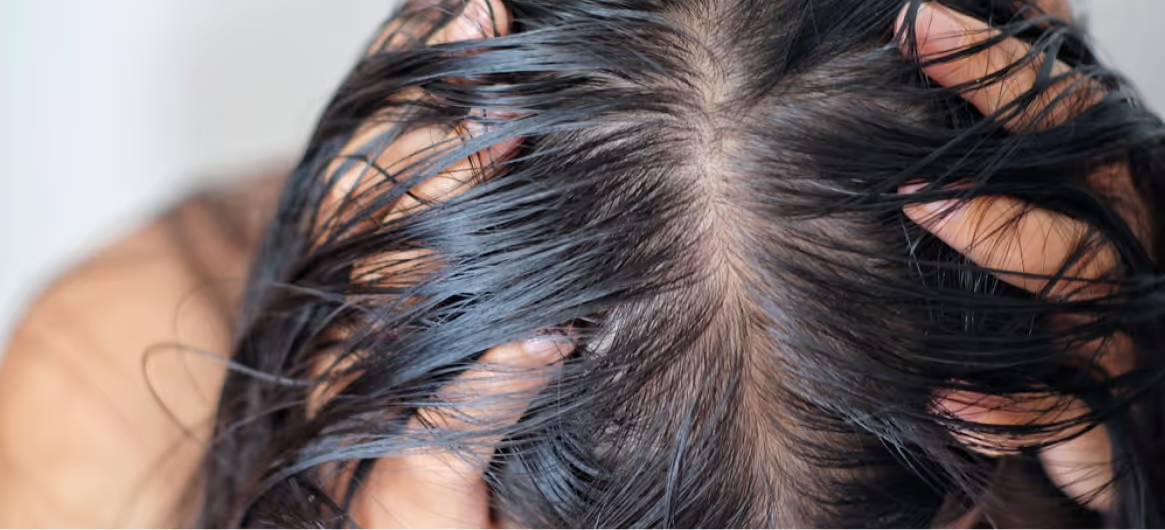
Dandruff can actually occur on any scalp type, whether it’s dry, normal, or oily. The flaking happens because of how quickly skin cells mature and shed, not necessarily because of oil levels.
Some people with very dry scalps experience dandruff, while others with oily scalps never develop it.
Seborrheic dermatitis has a much stronger connection to sebum production. The condition specifically targets areas with many oil glands. This explains why it often affects not just the scalp but also the T-zone of the face, upper back, and chest.
Hormonal changes that increase oil production, such as puberty or stress, often trigger or worsen seborrheic dermatitis flare-ups.
Risk Factors
Several factors increase your chances of developing either condition. Age often contributes, as dandruff typically starts in puberty and continues through middle age.
Men are more likely to experience both conditions, possibly due to hormones affecting sebum production. Stress acts as a major trigger for both conditions, though it tends to cause more severe flare-ups in seborrheic dermatitis cases.
Weather changes affect these conditions differently. Dandruff often worsens in winter when indoor heating dries out the scalp. Cold, dry air can make flaking more noticeable.
Seborrheic dermatitis might improve slightly in summer with increased sun exposure, though excessive sweating can trigger flare-ups in some people.
Certain medical conditions increase susceptibility to seborrheic dermatitis. People with Parkinson's disease, with HIV/AIDS, or recovering from stroke have higher rates of this condition. Depression and alcoholism also correlate with increased seborrheic dermatitis risk.
Treatment Solutions That Work
The pharmacy aisle offers numerous options for treating scalp conditions. For dandruff, dermatologists often recommend starting with zinc pyrithione shampoos such as Head & Shoulders Clinical Strength or selenium sulfide products such as Selsun Blue.
These ingredients slow down skin cell turnover and have mild antifungal properties. Use them two to three times weekly for best results.
Seborrheic dermatitis typically requires stronger antifungal action.
Nizoral A-D contains 1% ketoconazole, making it a good choice for moderate cases. This ingredient directly targets Malassezia yeast while reducing inflammation. Neutrogena T/Gel with coal tar helps slow skin cell growth and reduce scaling.
Salicylic acid shampoos such as Neutrogena T/Sal work differently by breaking down thick scales, making them easier to remove. DHS Zinc shampoo offers a gentler option for sensitive scalps while still providing antifungal benefits.
Rotating between different active ingredients prevents resistance and maintains effectiveness. For example, use ketoconazole shampoo twice weekly, alternating with a zinc pyrithione or selenium sulfide product.
Prescription Options
When over-the-counter products fall short, prescription medications offer more powerful solutions.
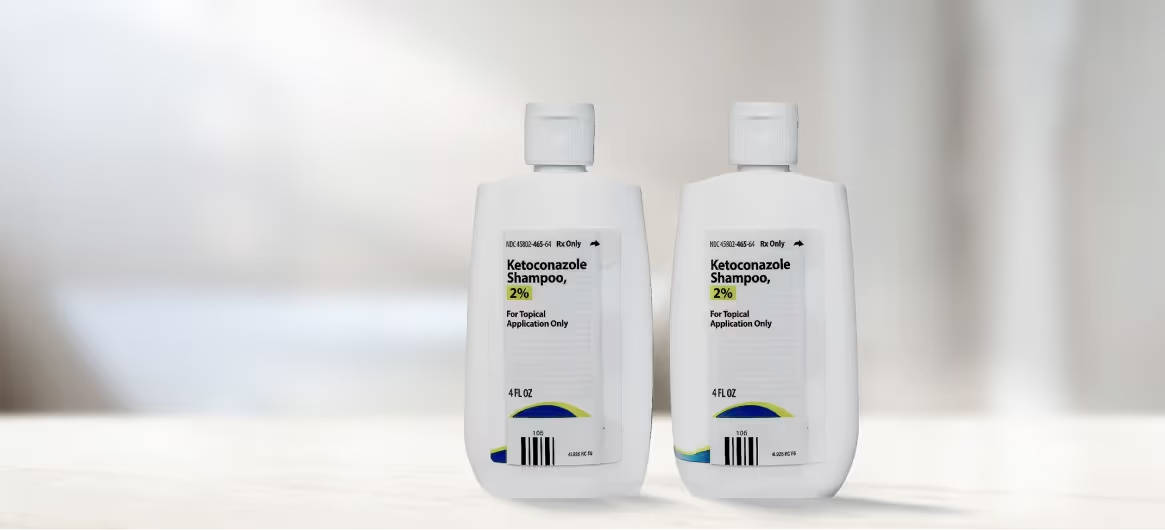
Prescription-strength 2% ketoconazole shampoo provides double the antifungal power of OTC versions. Topical corticosteroids such as clobetasol propionate solution or fluocinolone acetonide can calm severe flare-ups within days.
Daily Care and Prevention
Creating a consistent scalp care routine prevents flare-ups and maintains long-term health. It’s usually best to start by improving your washing technique.
Massage shampoo into your scalp with fingertips, not nails, to avoid irritation. Let medicated shampoos sit for five minutes before rinsing to maximize ingredient contact time.
Rinse thoroughly with lukewarm water, as hot water strips natural oils and triggers rebound oil production.
Between washes, resist the urge to scratch. Keep nails short to minimize damage if you do scratch unconsciously. A scalp massage with clean fingers can relieve itching without causing harm.
Diet modifications might help some people. Reducing sugar and processed foods can often help decrease inflammation. Omega-3 fatty acids from fish or supplements support skin health. Stay hydrated, and limit alcohol, which can worsen both conditions.
Stress management is critical for controlling both conditions. Regular exercise, adequate sleep, and relaxation techniques such as meditation can reduce flare-up frequency.
Other Causes of Scalp Flaking, Itching, and Irritation
Not all scalp flaking or itching stems from dandruff or seborrheic dermatitis. Several other scalp conditions can mimic these symptoms but require different treatment approaches. Understanding the distinctions helps ensure proper care and prevents unnecessary irritation or worsening of symptoms.
Psoriasis
Scalp psoriasis is an autoimmune condition that accelerates skin cell turnover, causing thick, silvery-white plaques over well-defined red patches.
Unlike dandruff, these scales are tightly adherent and may extend beyond the hairline to the neck or forehead. Itching, burning, and tenderness are common. The condition tends to run in families and can flare due to stress, infections, or cold weather.
Treatment often includes topical corticosteroids, vitamin D analogs, medicated shampoos, and, in more severe cases, phototherapy or systemic medications prescribed by a dermatologist.
Dry Scalp
A dry scalp results from inadequate moisture or lipid production, leading to small, powdery flakes and a sensation of tightness or itchiness. Unlike dandruff, the flakes are not oily or clumped, and there is no redness or inflammation.
Contributing factors include cold weather, harsh shampoos, over-washing, and dehydration. Treatment focuses on restoring moisture through the use of gentle sulfate-free cleansers, hydrating scalp oils, and conditioning treatments.
Drinking adequate water and maintaining a balanced diet with essential fatty acids can also help nourish the scalp from within.
Allergic Reaction to Hair Products
An allergic or irritant reaction, known as contact dermatitis, occurs when the scalp becomes sensitized to certain ingredients in hair dyes, shampoos, or styling products.
Symptoms include itching, redness, burning, and sometimes oozing or crusting. Fragrances, preservatives, and colorants are common triggers. Reactions may develop gradually after repeated exposure.
The best treatment is identifying and discontinuing the offending product, then soothing the scalp with gentle, fragrance-free cleansers and topical corticosteroids if needed. Dermatologists can perform patch testing to pinpoint specific allergens and guide safe product choices.
Seborrheic Dermatitis vs. Dandruff: The Bottom Line
Both dandruff and seborrheic dermatitis are common, manageable scalp conditions, but they require the right diagnosis in order to be treated effectively.
Persistent flaking, redness, or discomfort shouldn’t be ignored, as untreated inflammation can weaken the scalp barrier and even impact hair growth. Dermatologist-guided care ensures proper treatment and long-term control.
By understanding your scalp’s unique needs and addressing the root cause—not just the flakes—you can restore balance, comfort, and healthier hair growth over time.
Talk to a board-certified dermatologist to discuss your goals and find the solution that is best for you.
Frequently Asked Questions
What is the difference between seborrheic dermatitis and dandruff?
Dandruff is actually considered the mildest form of seborrheic dermatitis, existing on the same spectrum of scalp conditions. While dandruff is always confined to the scalp and causes white flaking, seborrheic dermatitis can spread to other areas like the face, ears, and upper chest. Seborrheic dermatitis typically produces larger, oilier yellow flakes and causes more inflammation and redness compared to regular dandruff.
Can seborrheic dermatitis cause hair loss?
Yes, severe seborrheic dermatitis can contribute to temporary hair loss. The inflammation damages hair follicles and disrupts the normal hair growth cycle. Additionally, excessive scratching due to itching can cause hair breakage and follicle trauma. However, hair typically regrows once the condition is properly treated and inflammation is controlled.
Is seborrheic dermatitis contagious?
No, seborrheic dermatitis is not contagious and cannot be spread from person to person. It's an inflammatory condition related to your body's response to naturally occurring yeast on the skin, genetics, and other factors such as stress or hormones. You cannot "catch" it from sharing personal items or through physical contact.
What triggers seborrheic dermatitis flare-ups?
Common triggers include stress, cold and dry weather, hormonal changes, certain medical conditions such as Parkinson's disease or HIV, and irregular shampooing habits. Some people also experience flare-ups from harsh hair products, lack of sleep, or dietary factors. Identifying and managing your personal triggers can help reduce the frequency and severity of outbreaks.
Can seborrheic dermatitis cause burning?
Yes. Seborrheic dermatitis can cause a burning or stinging sensation, especially during flare-ups when inflammation is more intense. The skin beneath oily scales becomes red and irritated, making it sensitive to touch or hair products. Proper treatment and gentle care help relieve this discomfort.