


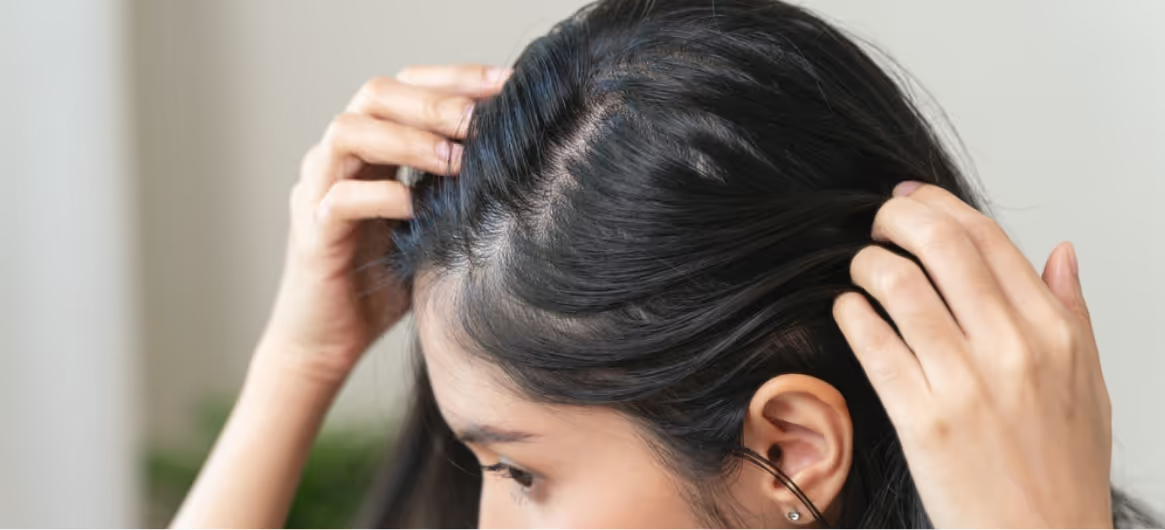

A dry scalp occurs when the skin on the head loses too much moisture. A tight, itchy, or flaky scalp can stem from a variety of factors, ranging from environmental changes to harsh hair care habits.
Unlike dandruff, which involves excess oil production, dry scalp simply needs proper hydration and gentle care. Finding the right dry scalp treatment starts with understanding what’s causing the dryness in the first place.
By identifying the root cause and using targeted solutions, you can restore balance, comfort, and hydration to your scalp for healthier-looking hair and lasting relief.
Understanding Dry Scalp
A dry scalp occurs when the skin on the head lacks sufficient moisture and natural oils to stay hydrated and supple. This imbalance disrupts the scalp’s protective barrier, leading to tightness, flakiness, and discomfort.
The condition can affect anyone, though it’s more common in colder months and among people who use harsh hair products.
While mild dryness is often temporary, persistent dryness may indicate an underlying scalp condition or a disruption in the scalp’s natural lipid balance that requires professional evaluation.
Dry Scalp Symptoms
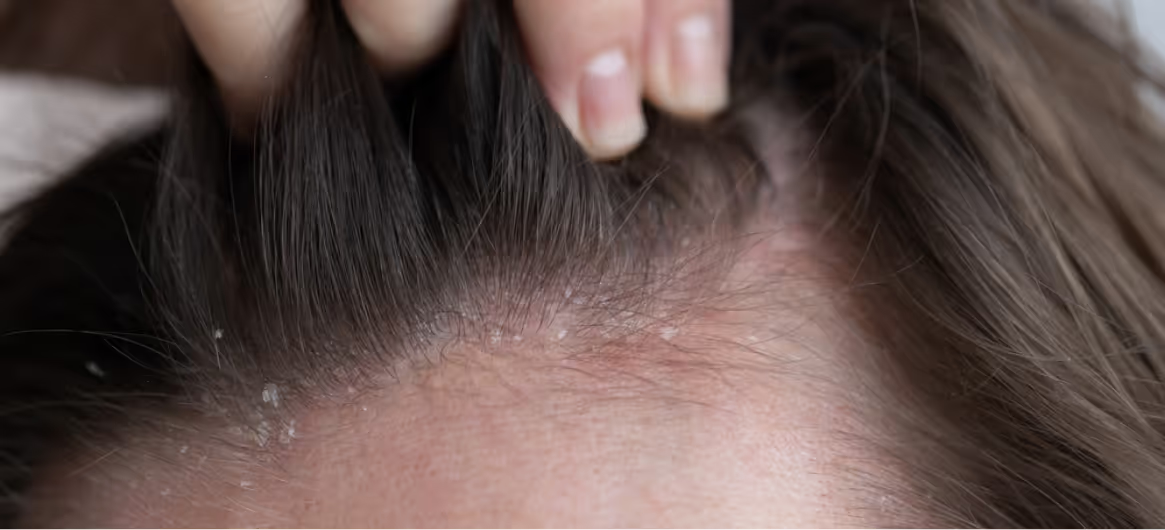
Dry scalp can cause sensations of tightness, itchiness, or irritation, often accompanied by small, white flakes that shed easily from the scalp. Unlike dandruff, these flakes are dry rather than oily.
The skin may feel rough to the touch, and scratching can worsen irritation or lead to mild redness. In some cases, hair may appear dull or brittle due to insufficient scalp hydration, as the hair follicles rely on a healthy scalp environment for nourishment.
Dry Scalp vs. Dandruff
Although they share similar signs, dry scalp and dandruff stem from different causes. Dry scalp results from a lack of moisture, while dandruff is linked to excess oil and overgrowth of Malassezia yeast.
Dandruff flakes are typically larger and greasier and may appear yellowish, whereas dry scalp flakes are smaller, powdery, and white. Dandruff also tends to cause more noticeable itching and inflammation.
Correctly distinguishing between the two is important, since each requires a different treatment approach for lasting relief.
Possible Causes of Dry Scalp
A dry scalp can develop from a variety of external and internal factors that disrupt the skin’s natural balance. Understanding what’s behind the dryness is essential for selecting the right treatment.
Common culprits include environmental changes, underlying scalp conditions, and daily habits that inadvertently strip away protective oils.
Environmental Factors
Cold, dry weather and low humidity can rapidly deplete the scalp’s natural moisture, leaving it tight and flaky. Overexposure to sun or wind can also weaken the scalp’s barrier, allowing moisture to escape.
Hot showers and chlorinated water remove natural sebum, further contributing to dryness. Even indoor heating and air conditioning can exacerbate moisture loss. Dehydration from not drinking enough water or consuming excessive caffeine or alcohol compounds the problem.
With aging, oil production slows, making the scalp more susceptible to environmental stressors and dryness.
Lifestyle Habits
Every day habits often play a major role in scalp dryness. Washing hair too frequently or with water that’s excessively hot strips away the natural oils that maintain hydration. Harsh shampoos, particularly those containing sulfates or alcohol, can further disrupt the scalp barrier.
Regular heat styling with blow dryers or straighteners causes additional moisture loss. Smoking decreases circulation to the scalp, reducing nutrient and oxygen delivery to skin cells. Even stress can exacerbate dryness by altering sebum production.
Making small changes, such as using lukewarm water and gentle, moisturizing products, can help restore scalp health.
Scalp Conditions
Certain dermatologic conditions can mimic or worsen dry scalp. Seborrheic dermatitis, psoriasis, and eczema all affect the scalp’s ability to retain moisture and regulate cell turnover.
Psoriasis often causes thick, silvery scales, while seborrheic dermatitis leads to greasy, inflamed patches. Contact dermatitis, triggered by allergens or irritants in hair care products, can also result in dryness and irritation.
When scalp dryness is persistent, accompanied by redness, thick scaling, or pain, it may signal an underlying inflammatory disorder that requires a dermatologist’s diagnosis and targeted medical treatment.
Natural Treatments for Dry Scalp
Natural ingredients can help replenish moisture, calm irritation, and support scalp barrier repair.
While these remedies may not replace medical treatments for underlying skin conditions, they can complement a dermatologist-approved care plan and provide relief for mild to moderate dryness.
Coconut Oil
Coconut oil is rich in fatty acids that restore moisture and strengthen the scalp’s natural lipid barrier. Its antimicrobial properties also help prevent irritation caused by microbes.
Warm a small amount between your hands and gently massage it into the scalp, leaving it on for at least 30 minutes—or overnight for deeper hydration—before washing with a mild, sulfate-free shampoo.
Apple Cider Vinegar
Apple cider vinegar helps balance scalp pH and reduce flaking caused by dryness or mild fungal overgrowth. Mix one part vinegar with two parts water, apply the mixture to the scalp after shampooing, and rinse after a few minutes.
ACV’s gentle exfoliating action removes product buildup and dead skin cells, allowing moisturizing treatments to penetrate more effectively. Avoid overuse, which can cause irritation.
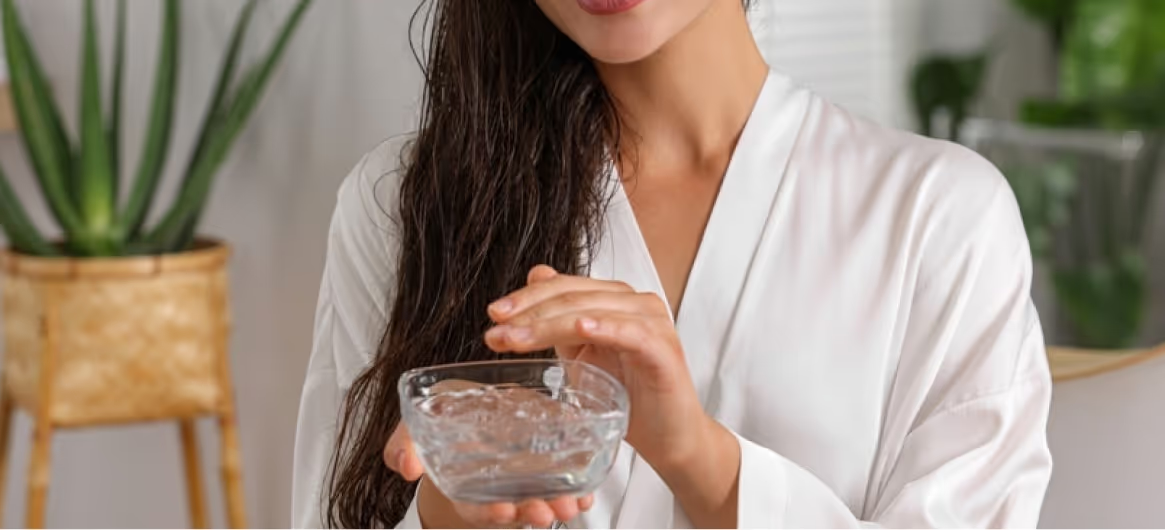
Aloe Vera
Aloe vera soothes inflammation and delivers lightweight hydration without clogging pores. Its natural enzymes help gently exfoliate dry flakes while restoring moisture to the scalp surface.
Apply pure aloe vera gel directly to the scalp, leave it on for 20–30 minutes, and rinse thoroughly. For ongoing relief, use it once or twice weekly as part of a balanced scalp care routine.
Tea Tree Oil
Tea tree oil’s antifungal and antibacterial properties can calm itchiness and reduce scalp irritation. Because tea tree oil is potent, always dilute a few drops in a carrier oil, such as jojoba or coconut oil, before applying.
Massage gently into the scalp, and let it sit for 10–15 minutes before rinsing. Regular use may help rebalance the scalp microbiome and minimize dryness-related flaking.
Jojoba Oil
Jojoba oil closely resembles the scalp’s natural sebum, making it an excellent moisturizer for dry skin. It helps regulate oil production and restore softness without leaving a greasy residue.
Warm a few drops, and massage the oil into your scalp before shampooing, or you can use it sparingly as a leave-in treatment. Its lightweight nature makes it suitable even for fine or oily hair types.
Avocados and Avocado Oil
Avocados and their oil contain omega-3 fatty acids, vitamin E, and antioxidants that deeply nourish the scalp. Mash half an avocado, and mix with a tablespoon of oil or honey for a nutrient-rich mask. Apply to the scalp and hair, and let it sit for 20–30 minutes before rinsing.
Alternatively, you could use avocado oil for easier application. Gently massage the oil into your scalp, wait for several minutes, and then shampoo as usual. This treatment helps restore elasticity, reduce flaking, and improve scalp texture over time.
Drink More Water
Hydration starts internally. Drinking adequate water each day supports circulation to the scalp and helps maintain a healthy oil balance. Dehydration can make the scalp more prone to irritation and tightness.
Try to drink at least eight glasses of water daily, increasing intake after exercise or in dry climates. Consistent hydration enhances the effects of topical moisturizers and keeps scalp tissues resilient.
Increase Intake of Omega-3s
Omega-3 fatty acids help regulate oil production and reduce inflammation in the scalp. Incorporate foods such as salmon, flaxseeds, walnuts, and chia seeds, or consider a high-quality fish oil supplement after consulting your doctor.
These healthy fats support the scalp’s lipid barrier from within, making it more resistant to dryness and flaking over time.
Bananas
Bananas are rich in potassium, natural oils, and vitamins that soften and moisturize the scalp. Mash one ripe banana, and mix it with a bit of olive oil or yogurt to form a nourishing mask.
Apply to the scalp and hair, let it sit for 20 minutes, and then rinse thoroughly. This simple remedy helps smooth rough scalp skin and improve moisture retention.
Yogurt, Eggs, and Honey
This trio creates a protein- and nutrient-rich mask that conditions both scalp and hair. Yogurt’s lactic acid exfoliates dry skin, eggs provide strengthening proteins, and honey acts as a natural humectant to lock in moisture.
Blend one tablespoon of each, apply to the scalp, and leave the mixture in place for 20 minutes before rinsing with cool water for a hydrated, soothed scalp.
Changing Your Hair Care Routine To Treat Dry Scalp
Improving your daily hair care habits can significantly reduce dryness and restore scalp balance. Start by switching to a moisturizing shampoo and conditioner formulated with humectants such as glycerin or hyaluronic acid, which help retain moisture.
Wash hair less frequently, and use lukewarm, not hot, water to avoid stripping away natural oils. Limit styling products that contain alcohol or fragrances, which can irritate sensitive skin.
When possible, air-dry your hair instead of using heat tools, and choose gentle, sulfate-free formulas designed for dry or sensitive scalps. Regularly massaging the scalp with nourishing oils also enhances circulation and supports healthier skin turnover.
When Medicated Treatments May Be Necessary
If dryness persists despite using gentle hair care and natural remedies, a medicated approach may be required.
Dermatologists often prescribe topical corticosteroids, antifungal shampoos, or treatments containing zinc pyrithione, salicylic acid, or ketoconazole to target inflammation, yeast overgrowth, or scaling.
These formulations help restore scalp balance and reduce symptoms linked to conditions such as seborrheic dermatitis, eczema, or psoriasis. Professional evaluation ensures proper diagnosis and safe, effective use of these therapies.
Dry Scalp Prevention
Preventing dry scalp involves maintaining consistent hydration and protecting the scalp’s natural barrier.
- Use a gentle, sulfate-free shampoo and a moisturizing conditioner regularly, and avoid overwashing or using excessively hot water.
- Incorporate a weekly hydrating scalp treatment or light oil massage to preserve natural moisture levels.
- During cold or dry weather, consider using a humidifier indoors and wearing a hat outdoors to shield the scalp from harsh conditions.
- Balanced nutrition, adequate water intake, and limiting heat styling also help sustain long-term scalp health.
When To See a Dermatologist for Dry Scalp Treatment
If dryness is persistent, causes intense itching or thick scaling, or leads to hair shedding, it’s time to consult a dermatologist. These symptoms may indicate conditions such as seborrheic dermatitis, psoriasis, or contact dermatitis.
A dermatologist can perform a scalp evaluation, identify underlying causes, and prescribe targeted treatments to restore comfort, hydration, and long-term scalp health.
Finding the Right Dry Scalp Treatment for You
The right dry scalp treatment often involves a combination of approaches rather than a single remedy. Pay attention to how your scalp responds to changes in products, hydration, and environment, and adjust gradually instead of overhauling everything at once.
Keep treatments simple, consistent, and supported by ingredients that replenish moisture and strengthen the skin barrier. Over time, this personalized approach to dry scalp treatment helps restore lasting scalp comfort and resilience.
Talk to a board-certified dermatologist to discuss your goals and find the solution that is best for you.
Frequently Asked Questions
What are the best medicated treatments for dry scalp?
Corticosteroid creams and ointments are the most effective prescription treatments for dry scalp. These medications reduce inflammation and itching while promoting healing. For over-the-counter options, look for shampoos containing ingredients like salicylic acid, coal tar, or ketoconazole.
Can I use apple cider vinegar for dry scalp treatment?
Yes, apple cider vinegar can be an effective natural remedy for dry scalp. Dilute it with equal parts water, and rinse your scalp after shampooing. The acidic properties help balance scalp pH and remove product buildup. Always patch test first, and avoid if you have open wounds.
What ingredients should I look for in dry scalp shampoos?
The most effective dry scalp shampoos contain moisturizing ingredients such as hyaluronic acid, glycerin, and aloe vera. Additional beneficial ingredients include tea tree oil for its antimicrobial properties and coconut oil for deep hydration. Avoid harsh sulfates that can strip natural oils.
How long does it take for dry scalp treatments to work?
Most dry scalp treatments show initial improvement within 2–4 weeks of consistent use. Prescription corticosteroids may provide relief within days, while natural remedies typically take 3–6 weeks for noticeable results. Consistency is key for the best outcomes.