


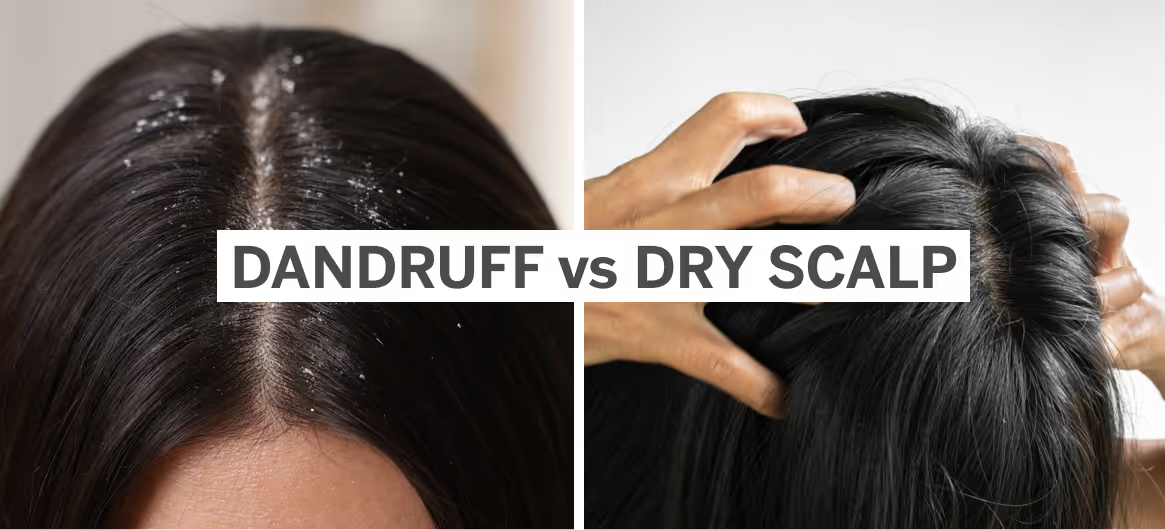

Many people assume they have dandruff when they actually have dry scalp, or vice versa. Understanding dandruff vs. dry scalp symptoms and causes is important because each condition requires different treatment approaches.
Dandruff affects nearly half of adults at some point, while dry scalp is more common during cold months when indoor heating strips moisture from skin.
Dandruff stems from excess oil production and a yeast-like fungus, causing large, oily flakes that stick to hair. Dry scalp occurs when skin lacks moisture, creating smaller, white flakes that fall easily.
The confusion between these two conditions often leads to using the wrong products, which makes symptoms worse instead of better.
Once correctly identified, both conditions respond well to proper care, and targeted treatments can bring relief within weeks. The right approach makes all the difference in achieving a healthy, comfortable scalp and improved hair growth.
Causes of Dandruff
Dandruff develops when three factors come together: excess oil production, a naturally occurring fungus called Malassezia, and individual sensitivity to this combination.
The scalp naturally produces sebum to protect and moisturize hair, but when production goes into overdrive, it creates the perfect environment for Malassezia to thrive.
This fungus feeds on scalp oils and breaks them down into oleic acid. About 50% of people are sensitive to oleic acid, and this sensitivity triggers an inflammatory response. The scalp reacts by speeding up skin cell turnover from the normal 30-day cycle to just 7–14 days.
These rapidly shed cells clump together with oil, forming the characteristic large, yellowish flakes of dandruff.
Influencing Factors
Several factors can trigger or worsen dandruff. Stress affects hormone levels and immune function. Poor diet, particularly one high in sugar and processed foods, can increase inflammation and oil production.
Infrequent shampooing allows oils and dead skin cells to accumulate. Weather changes, especially humid conditions, create ideal circumstances for fungal growth.
Causes of Dry Scalp
Dry scalp occurs when the skin loses moisture faster than it can be replaced, leading to dehydration, tightness, and flaking. The scalp's protective barrier weakens without adequate hydration, making it vulnerable to irritation and environmental damage.
Influencing Factors
Environmental factors are the primary culprit behind dry scalp. Cold winter air holds less moisture, while indoor heating systems further strip humidity from the environment.
Hot showers wash away natural oils that protect the scalp. Harsh shampoos containing sulfates and alcohol-based styling products compound the problem by removing essential moisture.
Personal habits significantly impact scalp hydration. Over-washing hair strips natural oils before the scalp can replenish them. Most people only need to shampoo two to three times weekly, yet many wash daily out of habit.
Poor nutrition, especially diets lacking omega-3 fatty acids and vitamins A and E, compromises the skin's ability to maintain moisture.
Dandruff vs. Dry Scalp: Comparing Symptoms
Recognizing the distinct symptoms of dandruff vs. dry scalp helps determine the right treatment path. While both conditions cause flaking, their other characteristics differ significantly in ways that make identification straightforward once you know what to look for.
Flake Size and Texture
The appearance and feel of flakes provide the clearest distinction between these conditions.
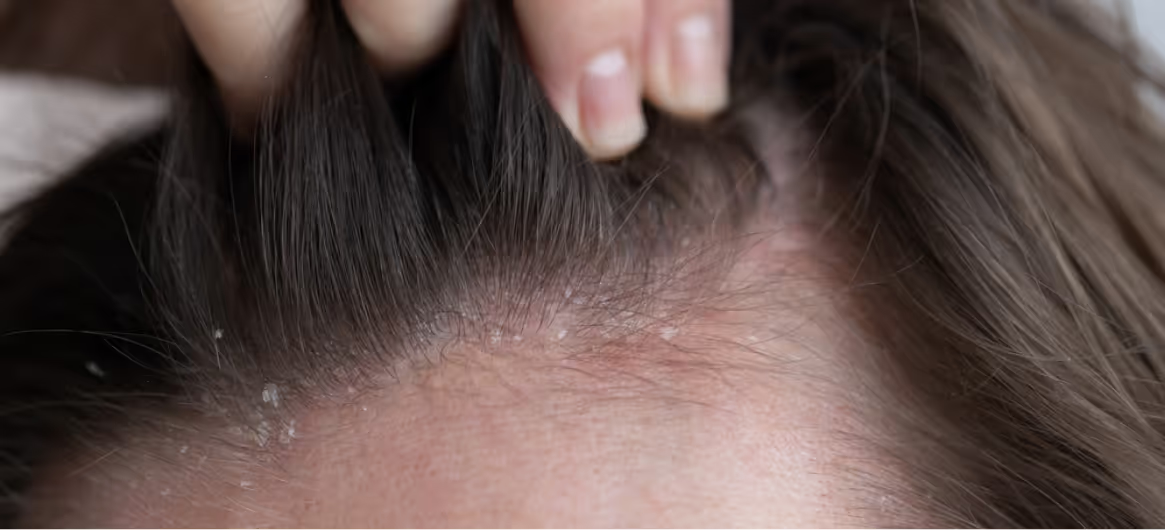
Dandruff produces large, visible flakes that often appear yellowish or grayish-white. These flakes feel oily or waxy when rubbed between fingers and tend to stick to hair strands and clothing. They're heavy enough that they don't easily blow away and often clump together.
Dry scalp generates much smaller flakes that look like fine, white powder. These lightweight particles fall freely from the scalp and hair, dusting shoulders throughout the day.
The flakes feel dry and crispy. They scatter individually rather than forming clumps, creating a snow-like appearance on clothing.
Scalp Oiliness and Redness
The scalp's oil level and appearance differ significantly between conditions.
Dandruff occurs alongside an oily scalp that may feel greasy within a day of washing. Hair appears limp and stringy, requiring frequent washing to look clean. The scalp often shows patches of redness and inflammation, particularly where flaking is heaviest.
Dry scalp presents the opposite scenario. The scalp feels tight and may appear dull or ashy. Hair tends to be dry and brittle, with increased static and flyaways.
Instead of oily patches, the scalp may show areas of irritation from scratching, but without the widespread redness associated with dandruff.
Treating Dandruff at Home
Managing dandruff at home requires consistent use of targeted treatments that address both the fungal overgrowth and excess oil production. Success comes from finding the right combination of products and sticking with a routine for at least four to six weeks.
Medicated Shampoo Choices
Nizoral A-D with ketoconazole is a top choice for dandruff treatment, offering powerful antifungal action that targets Malassezia directly. Many dermatologists recommend using it twice weekly for the first month and then once weekly for maintenance.
Pyrithione zinc shampoos, such as Head & Shoulders Clinical, provide both antifungal and antibacterial benefits. Selenium sulfide products such as Selsun Blue work similarly but with added strength against stubborn cases.
Salicylic acid shampoos, such as Nizoral Psoriasis and Neutrogena T/Sal, help remove existing flakes and scale buildup, though they work best when alternated with antifungal options.
Scalp Care Routines
Managing dandruff effectively requires more than using the right shampoo; you also need to maintain consistent, gentle scalp care.
Start by washing regularly, as infrequent cleansing can allow oil and skin cells to build up and worsen flaking.
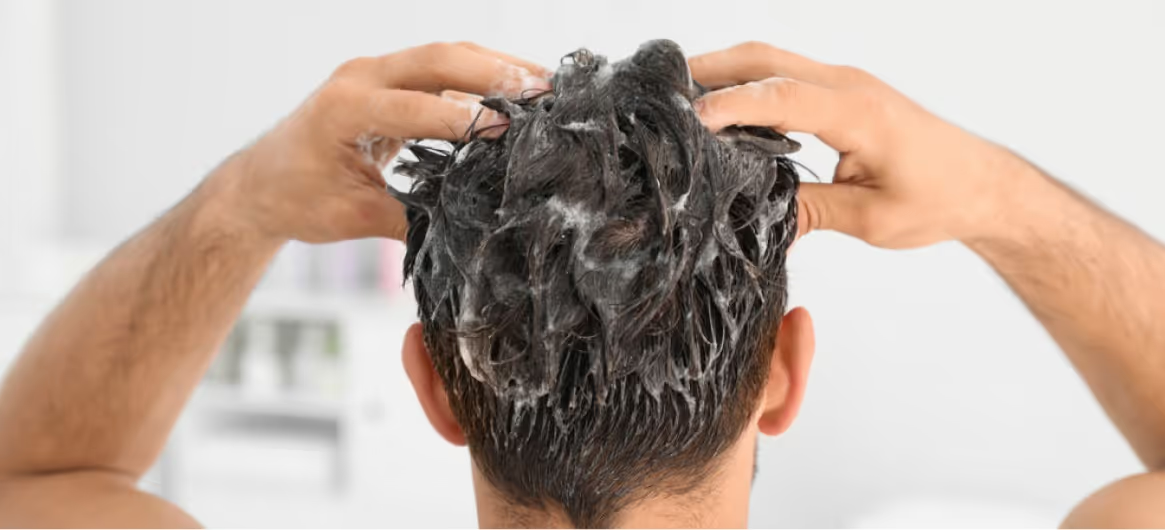
When shampooing, use your fingertips to massage the scalp for at least 30 seconds, focusing on the roots rather than the hair length. Avoid scratching with nails, which can irritate or inflame the skin.
After rinsing thoroughly, consider using a lightweight scalp treatment. Tea tree oil–based products, such as those from Paul Mitchell, can help soothe irritation and discourage fungal growth.
For a natural option, an apple cider vinegar rinse (one part vinegar to four parts water) helps rebalance scalp pH and remove buildup. Finish by keeping your scalp hydrated with a non-comedogenic leave-in toner or serum.
Treating Dry Scalp at Home
Restoring moisture to a dry scalp requires gentle care and consistent hydration both internally and externally. The goal is to strengthen the scalp’s natural barrier, maintain hydration, and avoid anything that strips away protective oils.
Hydrating Scalp Solutions
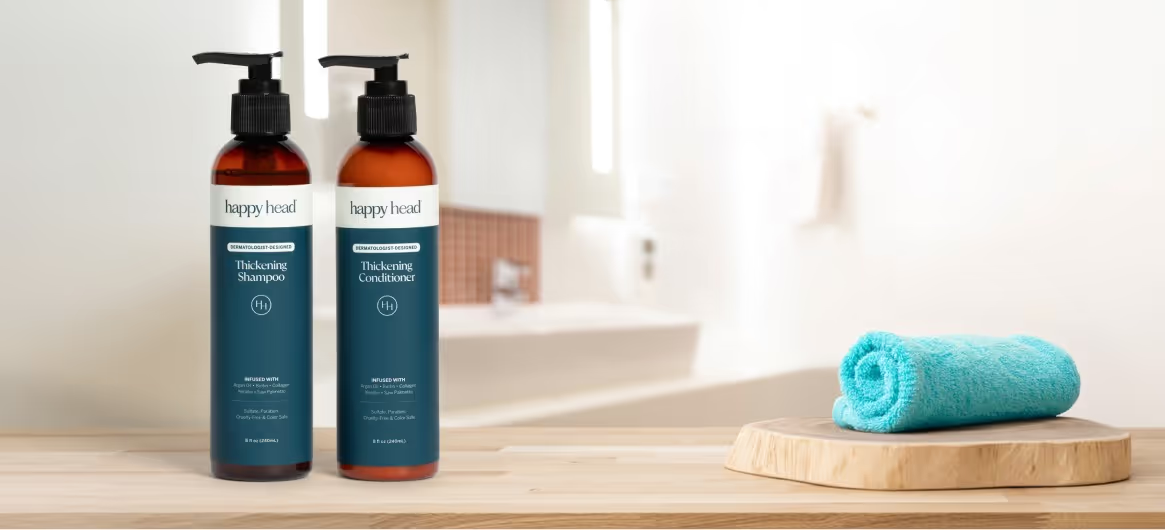
For lasting relief, choose sulfate-free, pH-balanced shampoos and conditioners that cleanse without over-drying. Formulas like Happy Head’s shampoo and conditioner remove buildup while helping retain moisture where it’s needed most.
Natural oils can also provide intensive nourishment. Jojoba oil is particularly effective because it mimics the scalp’s own sebum, allowing quick absorption without residue.
For extra hydration, products such as Briogeo Scalp Revival oil or pure squalane deliver lightweight, targeted moisture.
Pre-shampoo treatments amplify these benefits. Apply a nourishing oil to the scalp about 30 minutes before washing. Gently massage to stimulate circulation and protect the scalp barrier from shampoo-induced dryness.
Moisturizing Scalp Care Routines
Consistency and protection are key to keeping dryness under control. Most people with dry scalp do best washing only twice per week, using a dry shampoo between washes if necessary.
When cleansing, opt for cool or lukewarm water, and keep showers short to minimize moisture loss.
Environmental support is important as well. Running a humidifier during the winter months helps maintain indoor moisture levels, while wearing a hat outdoors shields the scalp from cold, drying winds.
At night, switch to a silk or satin pillowcase. Unlike cotton, these fabrics won’t draw natural oils from your hair and scalp, helping hydration last longer.
When To Seek Professional Help
While many cases of dandruff and dry scalp respond to home treatment, certain signs indicate that it's time for professional evaluation. Persistent symptoms despite consistent treatment for six weeks suggest an underlying condition requiring medical attention.
Red flags include severe itching that disrupts sleep or daily activities, open sores or bleeding from scratching, and spreading redness beyond the scalp to the face or neck. Yellow crusting, especially with an unpleasant odor, may indicate a bacterial infection.
Dermatologists can distinguish between simple dandruff or dry scalp and conditions such as seborrheic dermatitis, psoriasis, or fungal infections requiring prescription treatment.
They may prescribe stronger medications such as ketoconazole 2% shampoo, ciclopirox, or fluocinolone oil for resistant cases.
Tips To Prevent Future Flakes
Prevention strategies differ for dandruff and dry scalp, but both benefit from consistent care and lifestyle adjustments.
For dandruff prevention, maintain regular use of medicated shampoo even after symptoms clear. Use your anti-dandruff shampoo once weekly as maintenance. Keep stress levels managed through regular exercise, adequate sleep, and relaxation techniques.
Dry scalp prevention focuses on maintaining moisture year-round. Invest in a quality humidifier for bedroom use, aiming for 40–60% humidity. Adjust your hair care routine seasonally, using richer products during winter and lighter formulations in summer.
Both conditions benefit from a balanced diet rich in vitamins and minerals. Focus on foods containing zinc, B vitamins, and healthy fats. Stay hydrated consistently; drink water throughout the day, whether you’re thirsty or not.
Dandruff vs. Dry Scalp: The Bottom Line
Taking a close look at dandruff vs. dry scalp empowers you to choose treatments that actually work rather than making the problem worse.
Dandruff's oily, yellow flakes require antifungal ingredients and oil control, while dry scalp's powdery white flakes need gentle hydration and moisture restoration.
The right treatment approach makes all the difference. Medicated shampoos containing ketoconazole, pyrithione zinc, or selenium sulfide tackle dandruff effectively. Gentle, moisturizing products with natural oils and ceramides soothe a dry scalp.
Regular maintenance treatments, environmental protection, and dietary support keep both conditions under control. The investment in proper scalp care pays off through improved comfort, confidence, and overall hair health.
Talk to a board-certified dermatologist to discuss your goals and find the solution that is best for you.
Frequently Asked Questions
What is the main difference between dandruff and dry scalp?
The key difference lies in the root cause. Dandruff is caused by excess oil production on the scalp combined with an overgrowth of a yeast-like fungus called Malassezia, resulting in large, oily white or yellow flakes. Dry scalp is caused by insufficient moisture in the skin, producing smaller, dry flakes that indicate dehydration rather than excess oil.
Can you have both dandruff and dry scalp at the same time?
While they have opposite causes, it's possible to experience both conditions in different areas of your scalp or at different times. Some people may have an oily T-zone with dandruff while experiencing dryness around the hairline. Over-treating dandruff with harsh products can lead to a dry scalp, creating a cycle where both conditions coexist.
How do I tell if I have dandruff or just a dry scalp?
Examine the size, texture, and color of the flakes. Dandruff produces larger, oily flakes that are typically white or yellowish and may feel greasy to the touch. Dry scalp creates smaller, white, powdery flakes that are dry and easily brushed off. If you notice oily hair along with flakes, it's likely dandruff; if your entire body tends to be dry, especially during the winter months, you're probably dealing with dry scalp.
Do dandruff and dry scalp require different treatments?
Yes, they require opposite treatment approaches. Dandruff responds to antifungal ingredients and oil-control measures, typically found in medicated shampoos containing zinc pyrithione, selenium sulfide, or ketoconazole. Dry scalp needs moisturizing treatments, gentle cleansers, and hydrating ingredients such as hyaluronic acid or natural oils. Using the wrong treatment can worsen your condition.
How do I hydrate my scalp?
To hydrate your scalp, use a sulfate-free shampoo and conditioner to retain natural oils. Incorporate nourishing oils such as jojoba or squalane as leave-in or pre-shampoo treatments. Limit hot showers, use a humidifier in dry weather, and stay hydrated to support scalp moisture from within.