


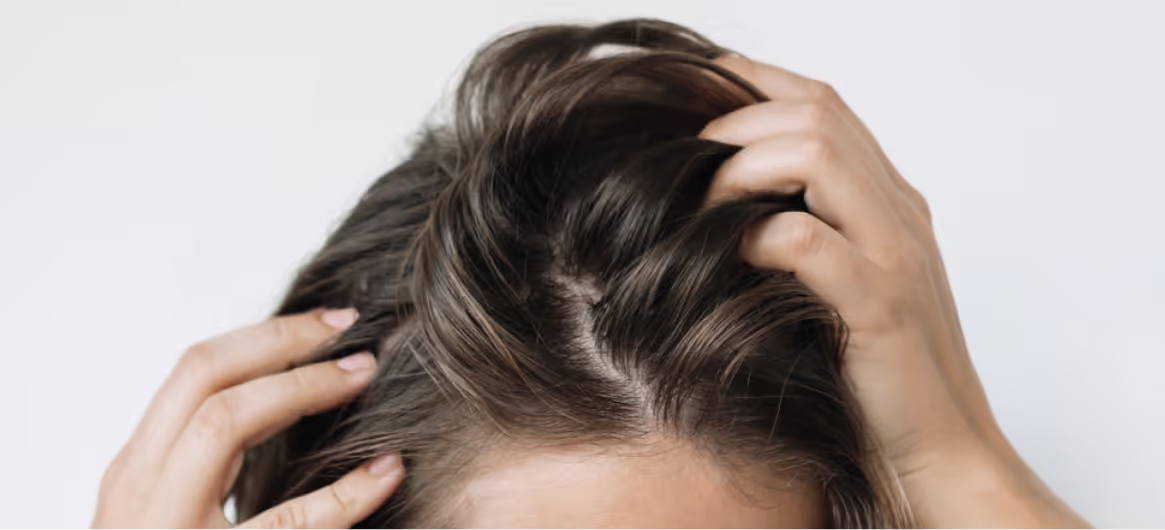

An oily scalp can leave hair looking greasy, weighed down, and difficult to manage, and is often accompanied by itching, flakes, or irritation.
Excess sebum production can stem from genetics, hormones, or environmental factors. To treat an oily scalp effectively, understanding these causes is essential.
By adopting proper washing habits, selecting suitable products, and addressing underlying triggers, you can restore scalp balance, reduce discomfort, and support healthier, fuller hair growth over time.
Why Does the Scalp Produce Oil?
The scalp produces oil, or sebum, through sebaceous glands connected to each hair follicle. Sebum is essential for maintaining scalp health. It lubricates the skin, protects against moisture loss, and forms a barrier against bacteria and irritants.
These glands respond to hormonal signals, particularly from androgens such as DHT, which regulate sebum production. When hormone levels fluctuate or the glands become overly active, oil output can increase.
While some scalp oil is beneficial, excessive sebum can disrupt the scalp’s natural balance, leading to buildup, irritation, or greasy-looking hair.
Signs of an Oily Scalp
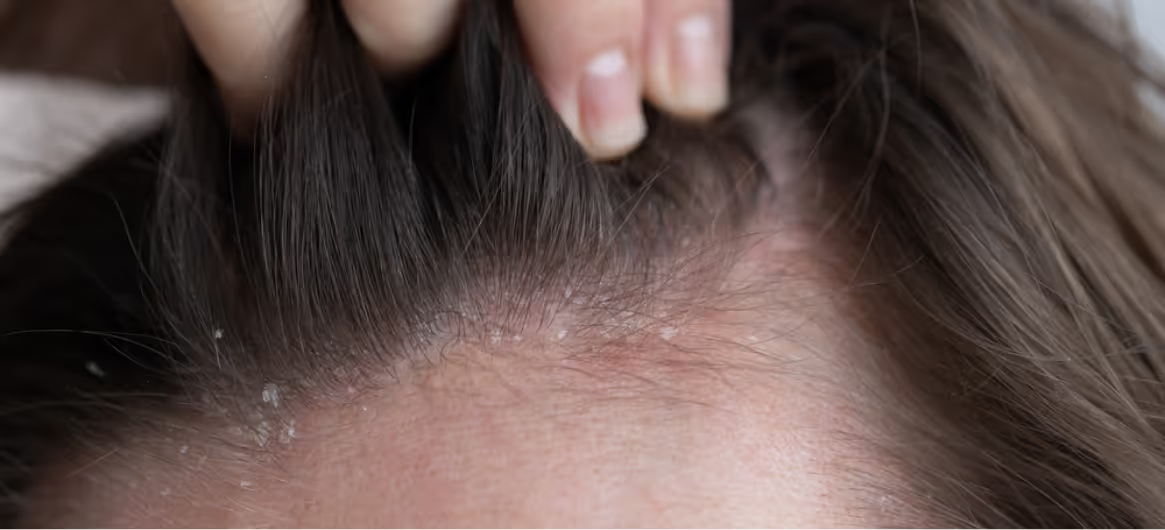
An oily scalp often appears shiny or greasy soon after washing, with hair that clumps together or feels heavy at the roots. You may notice persistent itching or a waxy residue when touching the scalp.
Excess oil can trap dead skin cells, leading to fine, yellowish flakes characteristic of dandruff. In some cases, clogged follicles cause small bumps or tenderness along the hairline or crown.
A consistently greasy scalp may also emit an unpleasant odor due to excess sebum mixing with sweat and bacteria.
Common Reasons for a Greasy Scalp
An oily or greasy scalp can develop from a combination of biological, hormonal, and external factors. Understanding the underlying cause helps determine the most effective treatment and prevent long-term scalp imbalance.
Overactive Scalp Oil Glands
Sebaceous glands in the scalp naturally produce oil to protect and moisturize the skin, but in some individuals, these glands are overactive, producing far more oil than necessary.
Genetics is often a contributor, predisposing certain people to produce more sebum. Environmental factors such as heat, humidity, or heavy product use can also stimulate oil glands.
Androgens, particularly testosterone and its derivatives, directly stimulate oil production. This explains why many people first notice oily hair during puberty when hormone levels surge. Stress hormones such as cortisol also signal glands to produce more sebum.
When excess oil accumulates, it can block follicles, attract debris, and create an environment where yeast or bacteria thrive, leading to irritation, inflammation, or secondary scalp conditions such as seborrheic dermatitis.
Hormonal Changes and Oil Production
Hormones act like messengers telling sebaceous glands how much oil to produce.
Fluctuations in hormones, particularly androgens such as testosterone, can significantly influence sebum production. During puberty, pregnancy, or menopause, these hormonal shifts may cause oil glands to enlarge and become more active.
Some medications or endocrine disorders can have similar effects. In people with a genetic predisposition, heightened sensitivity to androgens may further amplify oil output.
Thyroid imbalances can trigger changes in scalp oil production as well. Both hypothyroidism and hyperthyroidism affect sebum production, though in different ways.
These hormonal factors often explain why an oily scalp tends to worsen during certain life stages or stress periods, when endocrine activity and sebaceous response are heightened.
Product Buildup
Using heavy conditioners, styling products, or silicone-based serums can leave residue that traps oil and dead skin cells on the scalp. Silicone-based products are particularly problematic for oily scalps.
Over time, this buildup interferes with the scalp’s natural oil distribution, making roots appear greasy even when hair has been freshly washed.
Inadequate rinsing or infrequent shampooing can worsen the issue, as leftover film accumulates around follicles.
This environment not only dulls hair’s appearance but can also trigger itching, mild inflammation, or follicular congestion, conditions that may mimic or intensify natural oiliness.
Factors That Can Worsen Scalp Oiliness
Several lifestyle and environmental factors can intensify scalp oiliness, even in people without naturally overactive sebaceous glands.
Hot, humid climates stimulate sweat and sebum production, while frequently wearing hats or helmets traps heat and oil against the scalp.
Overwashing or using harsh shampoos can strip natural oils, prompting the glands to overcompensate by producing more sebum. Conversely, infrequent shampooing allows oil and debris to accumulate.
Heavy styling products, excessive brushing, and touching the hair often can also spread oil from the roots to the strands, worsening the greasy appearance.
How Scalp Oil Affects Hair Health
While some scalp oil is beneficial for moisture and protection, excessive sebum can disrupt the scalp’s ecosystem and affect hair quality. Over time, chronic oil buildup may contribute to irritation, dandruff, and even changes in hair density or strength.
Scalp Inflammation and Discomfort
When oil, sweat, and dead skin accumulate, they can block follicles and foster the growth of microorganisms such as Malassezia yeast.
This imbalance often triggers inflammation, itching, and tenderness. The scalp may feel sore or sensitive, particularly near oil-prone areas such as the crown or hairline.
Persistent inflammation can compromise the scalp’s protective barrier, making it more reactive to products or environmental irritants and setting the stage for chronic scalp irritation.
Scratching an itchy, oily scalp worsens inflammation and can create small wounds that become entry points for infection. The scalp might develop a burning sensation or feel constantly uncomfortable.
Development of Dandruff
Excess sebum provides a nutrient-rich environment for Malassezia yeast, a key factor in dandruff formation.
As the yeast breaks down scalp oils, it releases irritants that accelerate skin cell turnover, leading to flakes, itching, and mild redness. This process can worsen in humid weather or when washing frequency decreases.
Managing oil levels helps restore microbial balance, reducing dandruff recurrence and improving overall scalp comfort.
Hair Thinning Risk From Excess Oil
Prolonged oil buildup can clog follicles and create a low-oxygen environment around hair roots. This congestion may interfere with normal follicle function and weaken anchoring structures over time.
Chronic inflammation from trapped sebum and yeast activity can also trigger miniaturization in sensitive follicles, especially in individuals predisposed to androgenetic alopecia. Maintaining a clean, balanced scalp helps protect follicle health and support natural hair growth cycles.
Home Treatments for Oily Scalp
Managing an oily scalp at home starts with consistent scalp care and mindful product choices. The goal is to rebalance sebum production without stripping the scalp’s natural barrier.
With proper washing habits, targeted shampoos, and gentle natural remedies, many people can control excess oil and improve scalp comfort between dermatologist visits.
Proper Scalp Washing Routine
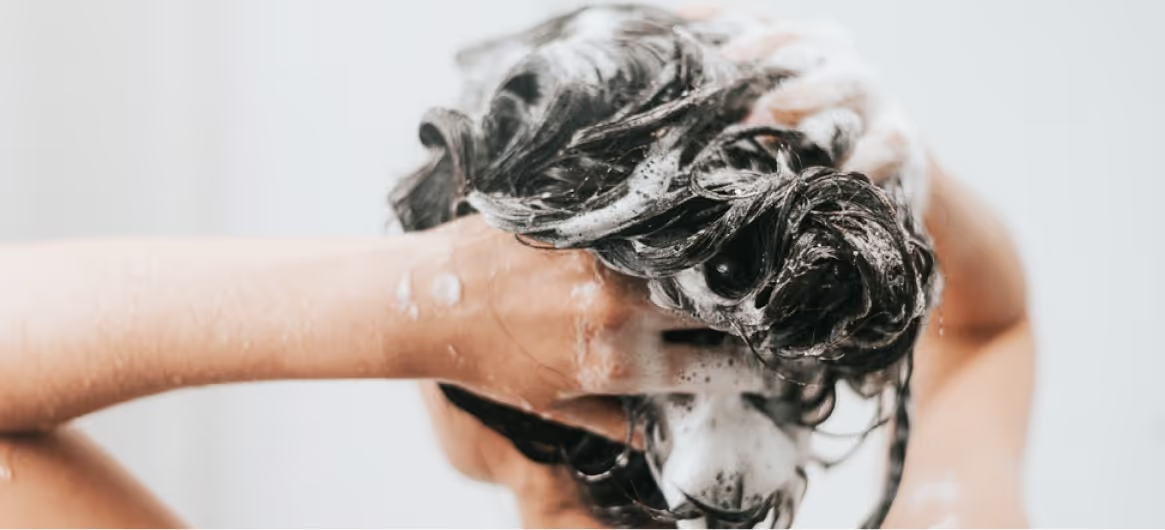
Regular cleansing helps remove excess oil, dead skin, and product residue before they accumulate. Most people with oily scalps benefit from shampooing once daily or every other day using lukewarm water, not hot water, which can overstimulate sebaceous glands.
Focus on massaging the scalp with your fingertips rather than the nails to avoid irritation. Rinse thoroughly to prevent buildup from leftover shampoo or conditioner.
Double cleansing works well for very oily scalps. The first wash removes surface oil and product buildup. The second wash actually cleanses the scalp.
Consistent washing keeps follicles clear, balances scalp microbiota, and supports a healthier environment for hair growth.
Choosing the Right Shampoo
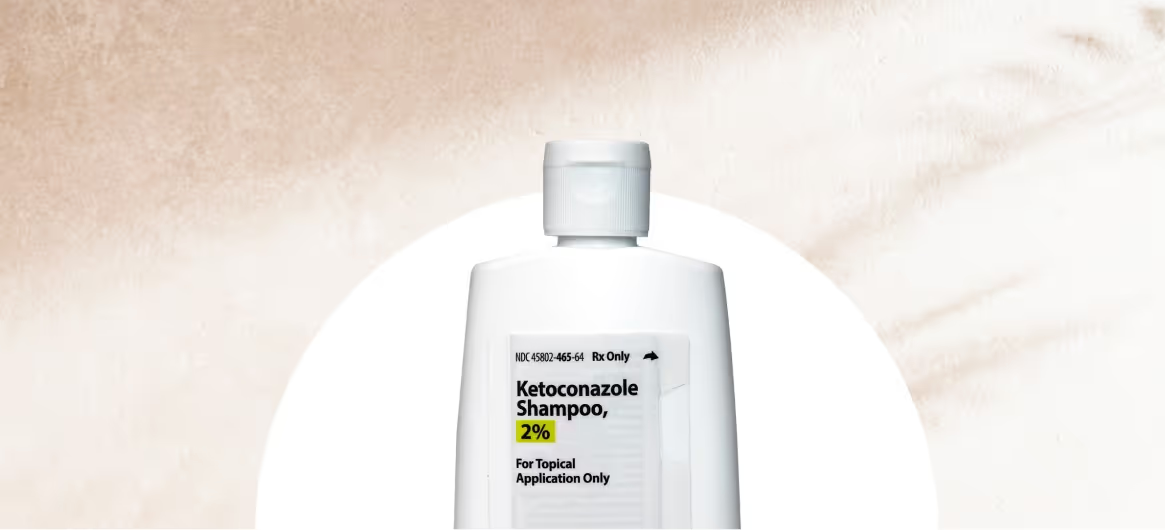
Selecting a shampoo formulated for oily scalps is essential. Look for ingredients such as salicylic acid, zinc pyrithione, or ketoconazole, which help reduce oil, control yeast overgrowth, and calm inflammation.
Clarifying shampoos can be used weekly to remove stubborn residue, while daily-use formulas should be sulfate-free to avoid over-drying.
Avoid heavy moisturizing shampoos or conditioners applied directly to the scalp. When chosen correctly, shampoo can help normalize sebum levels and maintain a refreshed, balanced scalp.
Natural Remedies for Oil Control
Certain natural ingredients can gently regulate oil production without irritating the scalp. Diluted apple cider vinegar acts as an astringent and restores scalp pH, while green tea, tea tree oil, and witch hazel offer antioxidant and sebum-balancing benefits.
Clay masks made with kaolin or bentonite can absorb excess oil and impurities when used sparingly.
However, these remedies should complement, not replace, dermatologist-recommended treatments. Consistent, moderate use can help reduce greasiness and improve scalp clarity over time.
When To See a Dermatologist for an Oily Scalp
If scalp oiliness persists despite proper washing and product adjustments or if you notice redness, itching, pain, or excessive shedding, it’s time to consult a dermatologist. Persistent oiliness can signal conditions such as seborrheic dermatitis, hormonal imbalance, or folliculitis.
A dermatologist can identify the underlying cause, recommend targeted treatments, and restore a healthier scalp environment.
Managing an Oily Scalp: The Bottom Line
Managing an oily scalp means working with your body’s natural processes, not against them. The goal isn’t to eliminate oil entirely but to restore equilibrium so the scalp remains nourished, not greasy.
With consistent cleansing, mindful product use, and scalp-friendly ingredients, most people can achieve long-term balance.
If oiliness is severe or accompanied by irritation, a dermatologist can pinpoint hormonal, microbial, or inflammatory causes and guide personalized, effective treatment.
Talk to a board-certified dermatologist to discuss your goals and find the solution that is best for you.
Frequently Asked Questions
What causes an oily scalp?
An oily scalp occurs when sebaceous glands become overactive and produce excess sebum. This condition can be triggered by genetics, hormonal changes, skin conditions such as seborrheic dermatitis, overwashing hair, stress, diet, or using harsh hair products that strip natural oils, causing glands to overcompensate.
How do you treat oily scalp?
Effective treatments include using clarifying shampoos 2–3 times weekly to remove excess oil without over-stripping, incorporating salicylic acid or tea tree oil products to regulate sebum production, and maintaining a consistent washing schedule. For persistent cases, medicated shampoos containing ketoconazole or zinc pyrithione can help.
How often should I wash my hair if I have an oily scalp?
People with oily scalps typically benefit from washing every 1–2 days, though this varies by individual. Washing too frequently can trigger rebound oil production, while waiting too long allows buildup that can clog follicles. The key is finding optimal frequency by starting with every other day and adjusting based on how the scalp responds.
How do I stop my scalp from getting oily?
To stop your scalp from becoming oily, wash regularly with a gentle and scalp-appropriate shampoo, rinse thoroughly after washing, and avoid heavy styling products. Limit excessive brushing or touching, manage stress, and consider clarifying or medicated shampoos if buildup persists.
Can an oily scalp cause hair loss?
Yes, an oily scalp can contribute to hair loss. Excess sebum buildup can clog hair follicles, leading to inflammation and weakened hair roots. This creates an environment where conditions such as seborrheic dermatitis and dandruff thrive, which can damage follicles and disrupt the hair growth cycle.