


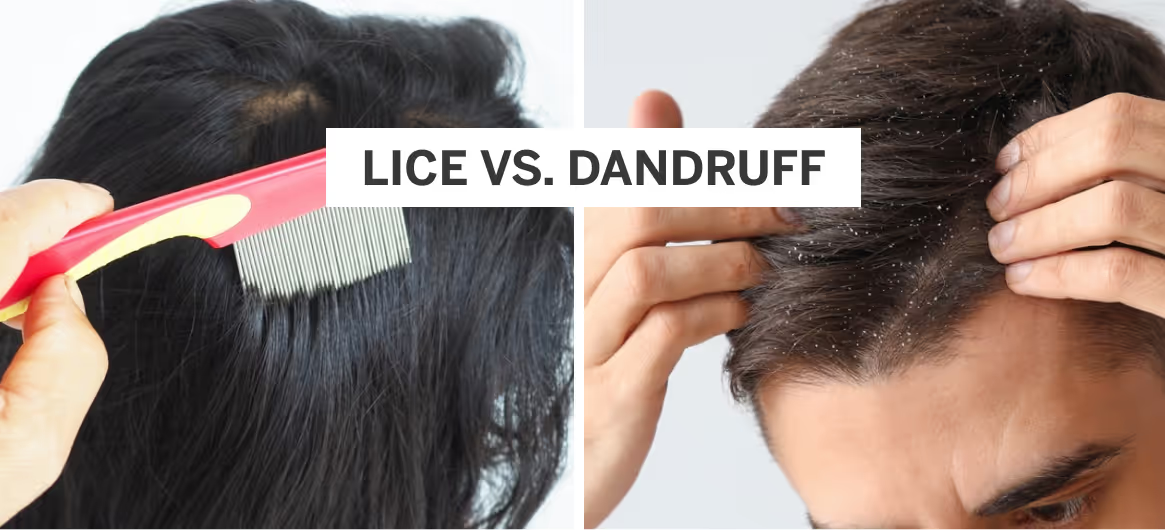

Nearly 75% of people will experience dandruff at some point, and head lice affects 6 to 12 million children annually in the United States alone. Understanding the difference between these two common conditions saves time, money, and unnecessary worry.
Lice and dandruff share one frustrating symptom, an itchy scalp, but that's where their similarities end. Lice are tiny parasitic insects that feed on blood from the scalp, while dandruff consists of dead skin cells that naturally shed from a dry or irritated scalp.
Getting the right diagnosis matters because each condition requires completely different treatment approaches.
While dandruff responds to specialized shampoos and medications in conjunction with improved scalp care routines, lice need targeted treatment to eliminate both the insects and their eggs.
Parents, teachers, and anyone dealing with scalp issues can benefit from knowing these distinctions to take appropriate action quickly and effectively.
How To Identify Lice and Their Eggs (Nits)
Prompt identification of lice and their eggs is critical because infestations spread quickly through close contact and become harder to manage as they progress.
Recognizing what lice and nits actually look like helps prevent misdiagnosis, delays in treatment, and unnecessary exposure to harsh products.
Lice Identification
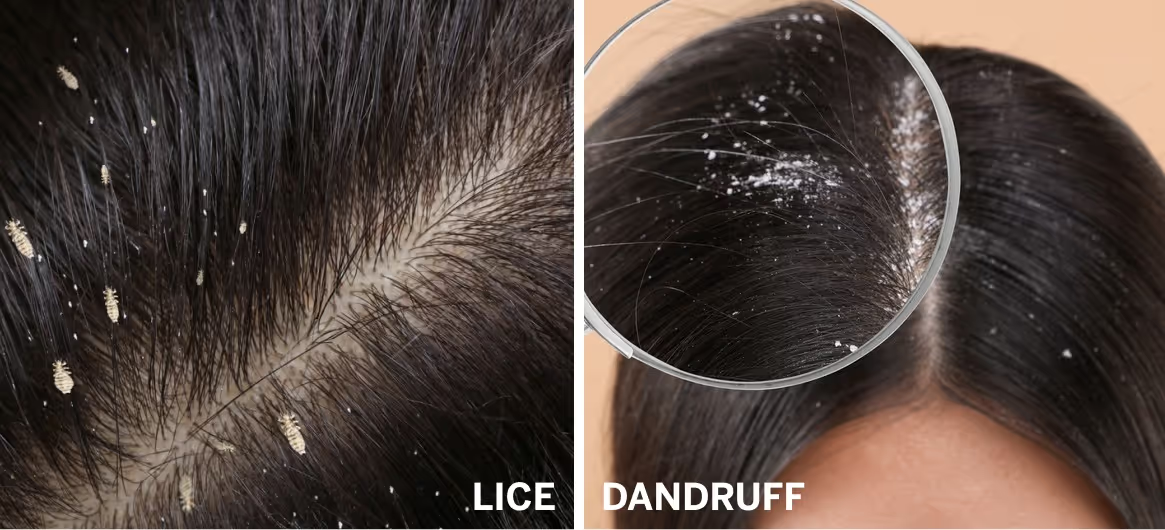
Adult head lice are tiny but visible insects, typically measuring 2–3 millimeters, about the size of a sesame seed. They are wingless, six-legged parasites that move rapidly across the scalp, making them difficult to spot without careful inspection.
Their bodies appear tan to grayish-white, but color can vary depending on hair color, making them blend easily.
Lice have elongated, flattened bodies with a clearly segmented thorax and abdomen; close magnification may reveal darker internal structures after feeding.
They cling tightly to hair using claw-like legs designed to grasp individual strands. Because they avoid light, lice often move quickly toward the scalp when hair is parted, so detection usually requires systematic sectioning and close visual evaluation.
Nit Identification
Nits, the eggs of lice, are oval, teardrop-shaped capsules measuring about 0.8–1 millimeter in length. They range from translucent to tan, becoming white after hatching, and are distinctly uniform in shape compared to the irregular flakes associated with dandruff.
Nits attach firmly to the hair shaft with a glue-like substance produced by the female louse, which makes them extremely difficult to slide off. They are usually found 2–6 millimeters from the scalp because they require body heat to incubate.
When viewed up close, a viable nit often shows a well-defined border and may have a tiny dark dot inside, which is the developing nymph. Unlike dandruff, which easily breaks apart, nits remain intact and rigid when touched.
Where To Look for Lice and Nits
The areas behind the ears and at the nape of the neck serve as prime real estate for lice. The warmth and moisture in these regions create ideal conditions for nits to develop. Female lice prefer laying eggs here because hair tends to be finer and the scalp stays consistently warm.
Using bright lighting and a fine-tooth comb can make detection easier during inspection.
Check by parting the hair in small sections and examining each strand from the root to about an inch away from the scalp. Nits closer than a quarter-inch to the scalp are likely still viable and will hatch within 7 to 10 days.
Symptoms That Help Identify a Lice Infestation
Common symptoms include persistent itching caused by reactions to lice saliva, a crawling or tickling sensation, and small red bumps or irritation around the hairline. Some individuals also develop mild swelling or crusted areas from scratching.
Noticing visible movement or clusters of tightly attached nits strongly suggests an active infestation.
How To Identify Dandruff Flakes
Accurate identification of dandruff is essential because its flakes, color variations, and associated symptoms can resemble other scalp conditions, including psoriasis or lice.
Dandruff presents as visible flakes that shed from the scalp throughout the day. These flakes consist of dead skin cells that accumulate when the scalp's natural shedding process increases.
Unlike the firmly attached nits of lice, dandruff flakes sit loosely on the scalp surface and fall freely onto shoulders and clothing. The appearance varies based on the underlying cause.
Flake Color
Dandruff flakes typically appear white to yellowish and may look slightly translucent depending on scalp oil levels. White flakes are more common in dry scalp–related dandruff, while yellow, greasy flakes often indicate seborrheic dermatitis due to excess sebum.
The color is generally consistent across the scalp, and flakes do not show the rigid structure or defined shape seen in nits.
When rubbed between the fingers, dandruff flakes crumble easily, unlike lice eggs, which remain intact. Flakes also tend to accumulate on clothing, eyebrows, and the hairline due to their loose, flaky nature.
Flake Size
Dandruff flakes vary widely in size, ranging from small, powder-like particles to larger patches that lift from the scalp.
Larger flakes often occur in oily dandruff, where excess sebum causes skin cells to clump together before shedding. Smaller flakes typically suggest dryness or mild irritation.
Regardless of size, dandruff flakes are irregularly shaped and lack the uniform oval profile of nits. They detach readily when the scalp is scratched or brushed and often fall onto the shoulders throughout the day.
This variability in size and effortless shedding is a hallmark characteristic that differentiates dandruff from lice-related debris.
Symptoms Associated With Dandruff
Dandruff commonly presents with itching, mild scalp redness, and flaking that worsens in dry environments or with product buildup. Many individuals notice increased shedding after scratching or washing the hair.
Unlike lice, dandruff does not cause a crawling sensation, pinpoint bite marks, or clusters of firmly attached particles near the scalp. The scalp may feel tight, oily, or irritated depending on the underlying cause, such as dryness or seborrheic dermatitis.
Flaking can also extend beyond the scalp to the eyebrows, beard area, and sides of the nose, indicating a broader skin response rather than an insect infestation.
Lice vs. Dandruff: Causes
Understanding what causes lice and dandruff is essential because their origins are completely different—one is an active infestation, while the other is a skin-shedding disorder.
Lice
Lice are caused by direct transfer of Pediculus humanus capitis, a parasitic insect that survives exclusively on human blood. They spread through close head-to-head contact and, less commonly, through shared items such as hats, hairbrushes, or bedding.
Female lice lay eggs (nits) close to the scalp, where warmth supports development. Infestations do not result from poor hygiene; lice can affect clean and dirty hair equally.
Once established, lice multiply quickly, making early detection critical to interrupt the life cycle and prevent further transmission.
Dandruff
Dandruff develops due to accelerated shedding of scalp skin cells driven by multiple interacting factors. A major contributor is an overgrowth of Malassezia yeast, which feeds on scalp oils and triggers inflammation in susceptible individuals.
Excess sebum, genetic predisposition, stress, cold weather, and sensitivity to hair products can worsen the condition.
In some people, dandruff manifests as dry, flaky shedding, while in others it appears as oily, yellowish scales consistent with seborrheic dermatitis.
Unlike lice, dandruff is not contagious and typically fluctuates with environmental changes, skin microbiome balance, and personal care habits. Managing these triggers is central to long-term control.
Treatment Options
Choosing the right treatment starts with correctly identifying whether symptoms stem from lice or dandruff, as each requires a completely different approach.
Effective management depends on targeted therapies that disrupt the lice life cycle or reduce scalp inflammation and flaking, ensuring relief and preventing recurrence.
Treatment for Lice
Treating lice at home requires an aggressive, systematic approach combining chemical treatments with physical removal.
Over-the-counter options such as Nix (permethrin 1%) and RID (pyrethrins plus piperonyl butoxide) serve as the first-line treatment. Non-pesticide options such as Licefreee! or LiceMD containing dimethicone provide gentler approaches.
Always combine these treatments with thorough nit combing, and repeat treatment in 7 to 10 days to catch any newly hatched lice. Popular kits such as Nix Complete and RID Complete include specialized nit combs for easier removal.
For resistant lice cases, prescription options such as Sklice (ivermectin 0.5%) or Natroba (spinosad) often require just one or two applications with less combing needed. Dermatologists may prescribe Ovide (malathion) or Ulesfia (benzyl alcohol) for stubborn infestations.
It's important to treat all close contacts simultaneously to prevent reinfestation cycles. Remember to thoroughly wash all items that might have been in contact with infected household members. This includes bedding, hats, scarves, combs, brushes, and stuffed animals.
Managing Dandruff
Dandruff treatment requires choosing the right shampoo for your specific scalp condition.
Nizoral A-D with ketoconazole 1% is a strong OTC antifungal option. Head & Shoulders Clinical Strength or Selsun Blue work well for maintenance, while Neutrogena T/Gel targets persistent itch and T/Sal helps remove thick scale buildup.
Happy Head’s Topical Dandruff Solution includes a custom-compounded topical solution containing clobetasol (0.05%) and ketoconazole (2.5%) as well as two bottles of 2% ketoconazole shampoo to relieve itching, flaking, and irritation at the source.
Rotating between different active ingredients prevents resistance and maintains effectiveness.
Prevention Strategies
Preventing lice and dandruff requires understanding the factors that allow each condition to develop and addressing them before symptoms escalate.
By adopting consistent hygiene practices, minimizing exposure risks, and supporting overall scalp health, you can significantly reduce the likelihood of either issue recurring.
Preventing Lice
To prevent lice, focus on avoiding head-to-head contact and sharing personal items. Teach children to avoid activities that involve touching the heads or personal items of classmates.
Each family member needs their own comb, brush, hair accessories, and towels. Label these items clearly, and store them separately. At school, children should keep hats and scarves in their jacket sleeves rather than on shared coat hooks.
Checking the heads of everyone in your household regularly can help catch infestations early before they spread. Examine children's scalps weekly, especially during peak lice seasons.
Preventing Dandruff
Preventing dandruff involves maintaining optimal scalp health through consistent care routines.
Washing hair regularly removes excess oil and dead skin cells before they accumulate into visible flakes. Most people benefit from washing every 2 to 3 days, although those with oily scalps may need daily cleansing.
For those prone to dandruff, using an anti-dandruff shampoo several times per week is often beneficial.
Diet and lifestyle factors influence scalp health significantly. Omega-3 fatty acids found in fish, walnuts, and flaxseeds help regulate oil production and reduce inflammation.
Stay hydrated and manage stress through exercise or meditation, since stress hormones can trigger dandruff flares.
When Professional Help Is Needed
For lice, see a doctor if over-the-counter treatments fail after two complete applications following package directions. Seek immediate care if severe scratching causes open sores, as these can become infected with bacteria.
Dandruff warrants medical attention when it doesn't respond to six weeks of consistent medicated shampoo use. Red, inflamed patches spreading beyond the scalp suggest seborrheic dermatitis requiring prescription treatment.
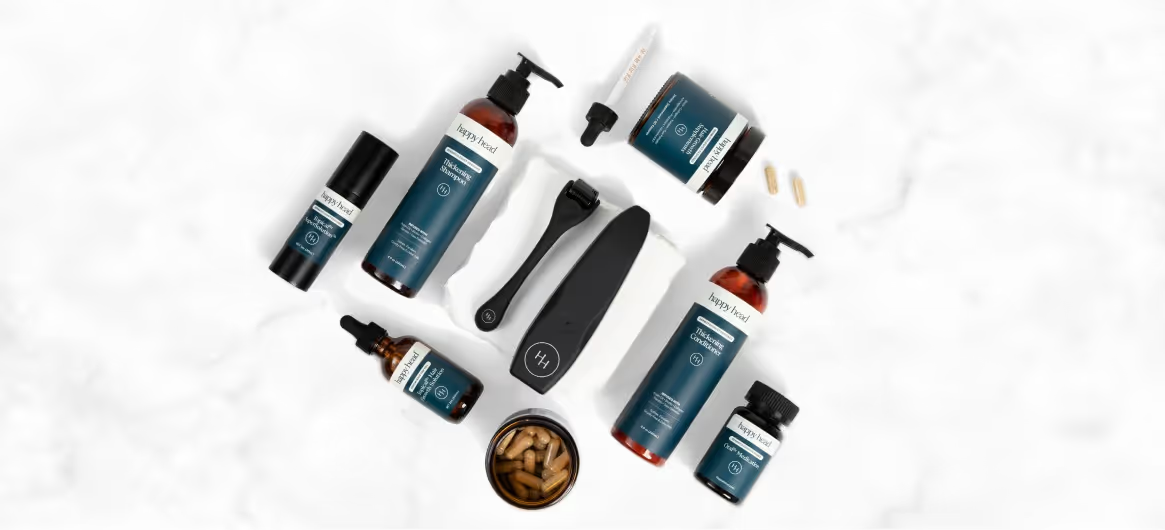
For ongoing scalp and hair concerns, Happy Head offers dermatologist-developed care and personalized prescription growth plans.
Lice vs. Dandruff: Knowing the Difference Is Key
Recognizing the difference between lice and dandruff is more than a matter of comfort; it directly affects how quickly you can stop symptoms from worsening and prevent them from spreading or recurring.
Prompt, accurate diagnosis ensures you choose treatments that truly work rather than wasting time on ineffective home remedies.
If you struggle with proper identification or treatment, a dermatologist’s evaluation provides clarity, protects scalp health, and helps you return to normal routines with confidence.
Talk to a board-certified dermatologist to discuss your goals and find the solution that is best for you.
Frequently Asked Questions
How can I tell if I have lice or dandruff?
Lice are mobile insects that cling to hair and lay firm, oval nits that do not flake off. Dandruff consists of loose white or yellowish flakes that shed easily from the scalp on their own. Itching occurs in both, but lice often cause a crawling sensation, and visible movement is often noticed on the scalp.
What are the first signs of lice?
Early signs of a lice infestation include persistent scalp itching, especially behind the ears and at the nape of the neck, where lice feed frequently. Close inspection may reveal tiny moving insects or tightly attached nits along the hair shaft near the scalp. Mild redness or small bite-like bumps can also appear early.
Can dry scalp mimic lice?
Yes. A dry scalp can mimic lice by causing itching and visible flaking, which may be mistaken for nits. However, flakes from dryness brush away easily, while nits remain firmly attached to hair shafts. Scalp dryness does not cause crawling sensations or involve the presence of insects.
Can dandruff feel like lice crawling?
Severe dandruff can cause tingling, irritation, or heightened scalp sensitivity that may be interpreted as crawling. However, dandruff does not produce actual movement or insects. With dandruff, flakes fall easily from the scalp, unlike lice eggs that stay firmly attached to hair lengths.
What color are lice eggs?
Lice eggs, or nits, are typically tan, yellowish, or light brown when viable and turn a whitish shade once hatched. They are oval, about the size of a grain of sand, and adhere firmly to the hair shaft near the scalp, making them difficult to remove compared to dandruff flakes.